
-
Choosing Safe Baby Products requires more than picking attractive designs or popular brands. Babies spend much of their time touching, chewing, sleeping on, or using products that surround them. Therefore, parents need to consider materials, construction, age recommendations, and safety features before making a purchase. A thoughtful approach can reduce avoidable risks while making everyday routines easier and more comfortable.
Why Product Safety Matters
Babies explore their surroundings differently from older children. They often put objects in their mouths, pull at loose parts, and move unpredictably. As a result, a product that seems harmless to an adult may create a potential hazard for an infant.
Before buying anything, consider these key factors:
-
The baby’s age, size, and developmental stage
-
The product’s intended purpose
-
Construction quality and durability
-
Materials that touch the baby’s skin or mouth
-
Small or detachable components
-
Instructions, warnings, and recommended age limits
-
Current recalls or known safety concerns
In addition, inspect products regularly after bringing them home. Even a well-designed item can become unsafe if it breaks, develops sharp edges, or loses an essential safety component.
How to Choose Better Baby Products
Check Materials and Construction
Start by examining what the product contains and how manufacturers assemble it. Smooth surfaces, secure stitching, sturdy fasteners, and well-finished edges can make a meaningful difference.
For products that babies chew or place in their mouths, pay particular attention to coatings, finishes, and detachable pieces. Likewise, avoid items with easily accessible parts that could become choking hazards.
You should also examine packaging and product information. Clear instructions often reveal important details about cleaning, assembly, storage, and appropriate use.
Follow Age and Weight Recommendations
Age labels provide more than general suggestions. Manufacturers design products around particular developmental abilities, body sizes, and levels of coordination.
For example, a product designed for a newborn may not suit an older baby who can sit, crawl, or pull themselves upright. Therefore, always compare the recommendation with your child’s current abilities rather than relying only on age.
Weight limits matter too. Exceeding them can affect stability and increase the likelihood of falls or structural failure.
Look Beyond Appearance
Color, style, and convenience can influence purchasing decisions, but safety should remain the priority. A visually appealing product does not automatically offer better protection.
When choosing safe baby products, compare practical features instead. Look for stable bases, secure closures, breathable materials where appropriate, and designs that minimize unnecessary gaps or openings.
Research Before You Buy
A few minutes of research can prevent an unsuitable purchase. Read product descriptions carefully and compare information from reliable sources. Customer reviews can also reveal recurring problems, although you should treat individual opinions cautiously.
Most importantly, check whether the product has received a safety warning or recall. A product can remain available through secondhand sellers or online marketplaces even after a safety concern emerges.
Be Careful With Secondhand Items
Secondhand purchases can save money, but they require additional attention. Before buying used equipment, check its condition and confirm that all original components remain available.
Avoid products with missing instructions, unexplained modifications, severe wear, or damaged safety mechanisms. Furthermore, verify that the model has not been recalled.
For items such as car seats, previous damage may not always be visible. Consequently, parents should research the item’s history before relying on it for transportation.
Create a Safer Everyday Routine
Buying the right product represents only the first step. Safe use matters just as much. Follow assembly instructions carefully and use every product only for its intended purpose.
Keep these habits in mind:
-
Inspect products regularly for damage.
-
Replace broken or missing components promptly.
-
Keep instructions accessible.
-
Follow cleaning and maintenance recommendations.
-
Never ignore weight or age limits.
-
Store products safely when babies cannot use them.
-
Stop using an item if its safety condition becomes uncertain.
Additionally, keep an eye on how your baby’s abilities change. A product that worked well last month may become unsuitable once your child learns to climb, stand, pull, or reach.
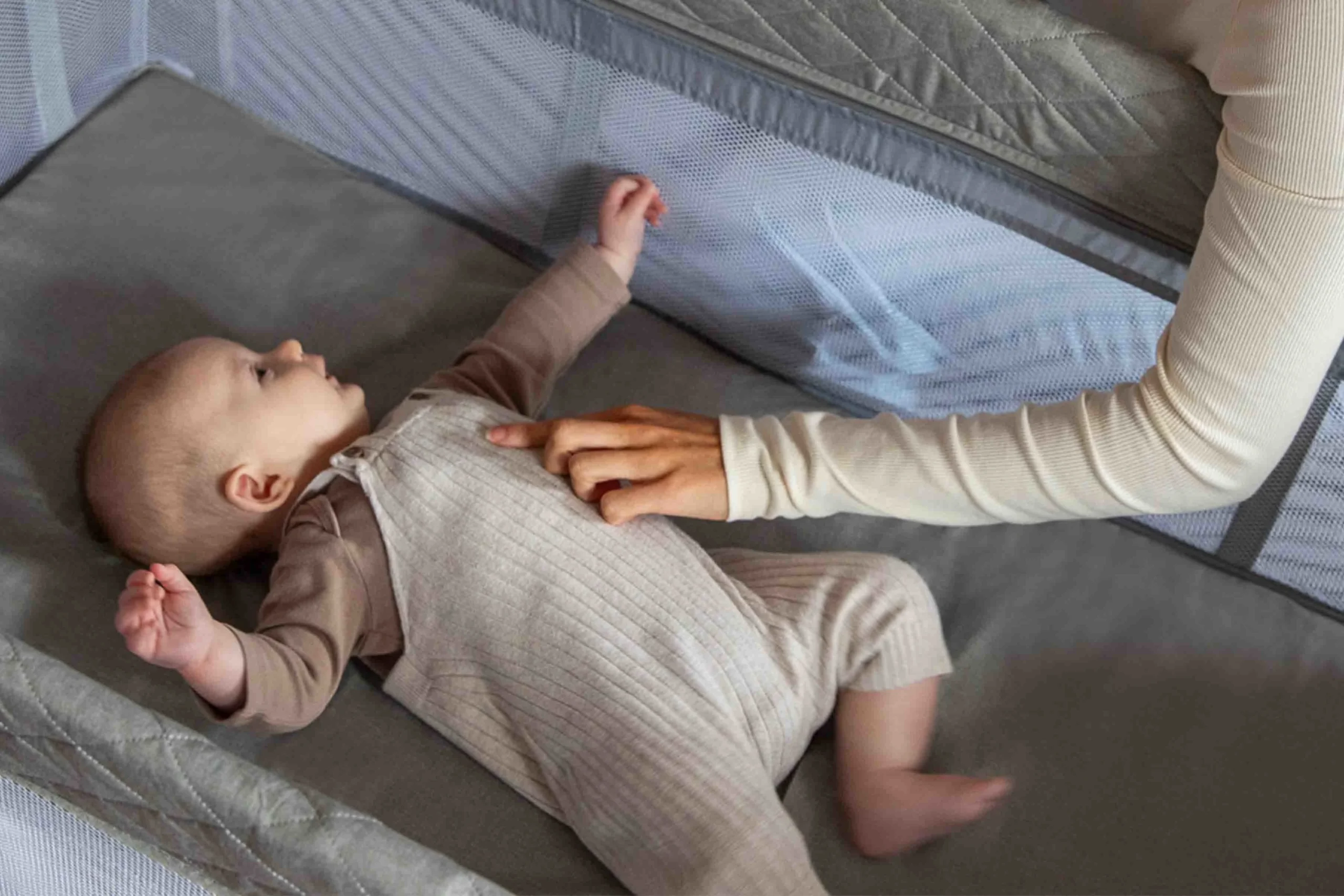
Choosing Safe Baby Products Make Safety the First Priority
Smart purchasing does not require choosing the most expensive option. Instead, focus on thoughtful design, dependable construction, appropriate sizing, and clear safety information. When choosing safe baby products, parents can make better decisions by slowing down, researching unfamiliar items, and considering how a baby will actually interact with each product.
Ultimately, the safest choice combines a suitable product with responsible supervision and regular inspection. By developing these habits early, families can create a more secure environment without sacrificing comfort, convenience, or practicality.
When choosing safe baby products, remember that safety is an ongoing process rather than a one-time purchase. A careful decision today, followed by proper use and maintenance tomorrow, can help protect your baby as they grow and explore.
-
