
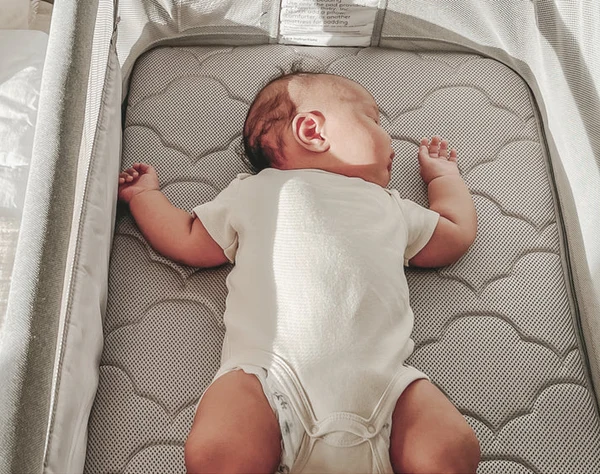
Baby safe sleep begins with a simple goal: give your little one a sleeping space that reduces avoidable risks while supporting comfortable, restful nights. Because babies spend so much time sleeping, parents should pay close attention to the crib, mattress, bedding, clothing, and room environment. Fortunately, creating a safer sleep space does not require complicated equipment. Instead, a few consistent habits can make a meaningful difference.
Start With a Safe Crib
The crib should provide a firm, flat, and stable surface. Choose a mattress designed specifically for the crib and make sure it fits tightly, leaving no gaps around the edges. A properly fitted sheet should be the only item covering the mattress during sleep.
Avoid placing pillows, quilts, comforters, bumper pads, stuffed toys, and loose blankets inside the crib. These objects can create unnecessary hazards because babies may move their faces against them or become tangled while sleeping.
Keep the Sleep Space Clear
A simple crib is usually the safest crib. Parents sometimes add soft items because they believe they make the space more comfortable. However, babies do not need decorative cushions or extra padding to sleep well.
For better baby safe sleep, check the crib regularly and remove anything that does not belong there. Also, inspect the mattress and crib frame for signs of damage, loose parts, or poor fitting.
Always Place Babies on Their Backs
Sleep position plays an important role in infant safety. Parents and caregivers should place babies on their backs for naps and nighttime sleep. This position helps keep the baby’s airway clear and reduces the risk associated with unsafe sleeping positions.
Once a baby can roll independently in both directions, parents generally do not need to keep turning the baby back throughout the night. Nevertheless, caregivers should continue placing the baby on the back when starting every sleep.
Consistency matters, especially when several people care for the baby. Grandparents, babysitters, relatives, and childcare providers should understand the family’s baby safe sleep routine so everyone follows the same basic practices.
Choose Clothing Carefully
Babies can become too warm during sleep, so parents should avoid excessive layers. Dress the baby according to the room temperature and consider a properly sized wearable blanket when appropriate.
Instead of adding loose blankets, use sleep clothing that allows the baby to remain comfortably warm without covering the face. Check the baby’s chest or back to assess whether they feel comfortably warm, rather than relying only on hands and feet, which can naturally feel cooler.
Avoid Overheating
An overheated baby may sweat, feel unusually hot, or develop flushed skin. Therefore, parents should avoid excessive clothing, heavy bedding, and very warm sleeping environments.
Keeping the room comfortably cool and dressing the baby appropriately can support baby safe sleep while also making nighttime routines more comfortable.
Consider Room-Sharing Without Bed-Sharing
Keeping the baby’s crib or bassinet in the parents’ room can make nighttime care easier while maintaining a separate sleeping surface. This arrangement also allows parents to respond quickly when the baby needs feeding, changing, or comforting.
However, sharing a bed introduces additional hazards. Sofas, armchairs, and adult beds contain soft surfaces, pillows, blankets, and gaps that can increase risks for infants. If you bring the baby into bed for feeding or comforting, return the baby to their own sleep space before you go to sleep.
Use a Calm and Consistent Routine
A predictable bedtime routine can help babies understand that sleep time is approaching. Start with quiet activities such as bathing, changing into sleepwear, feeding, reading, or gentle singing. Then place the baby in the designated sleep space.
A consistent routine also helps caregivers remember important baby safe sleep practices when they are tired. For example, following the same sequence each evening can reduce the temptation to improvise with unsafe bedding or sleeping locations.
Keep Screens and Distractions Away
The baby’s sleep area should remain focused on sleep. Keep phones, tablets, toys, and other unnecessary objects away from the crib. Although these items may not seem dangerous at first, they can create distractions or tempt caregivers to place additional objects inside the sleep space.
Check the Environment Before Bed
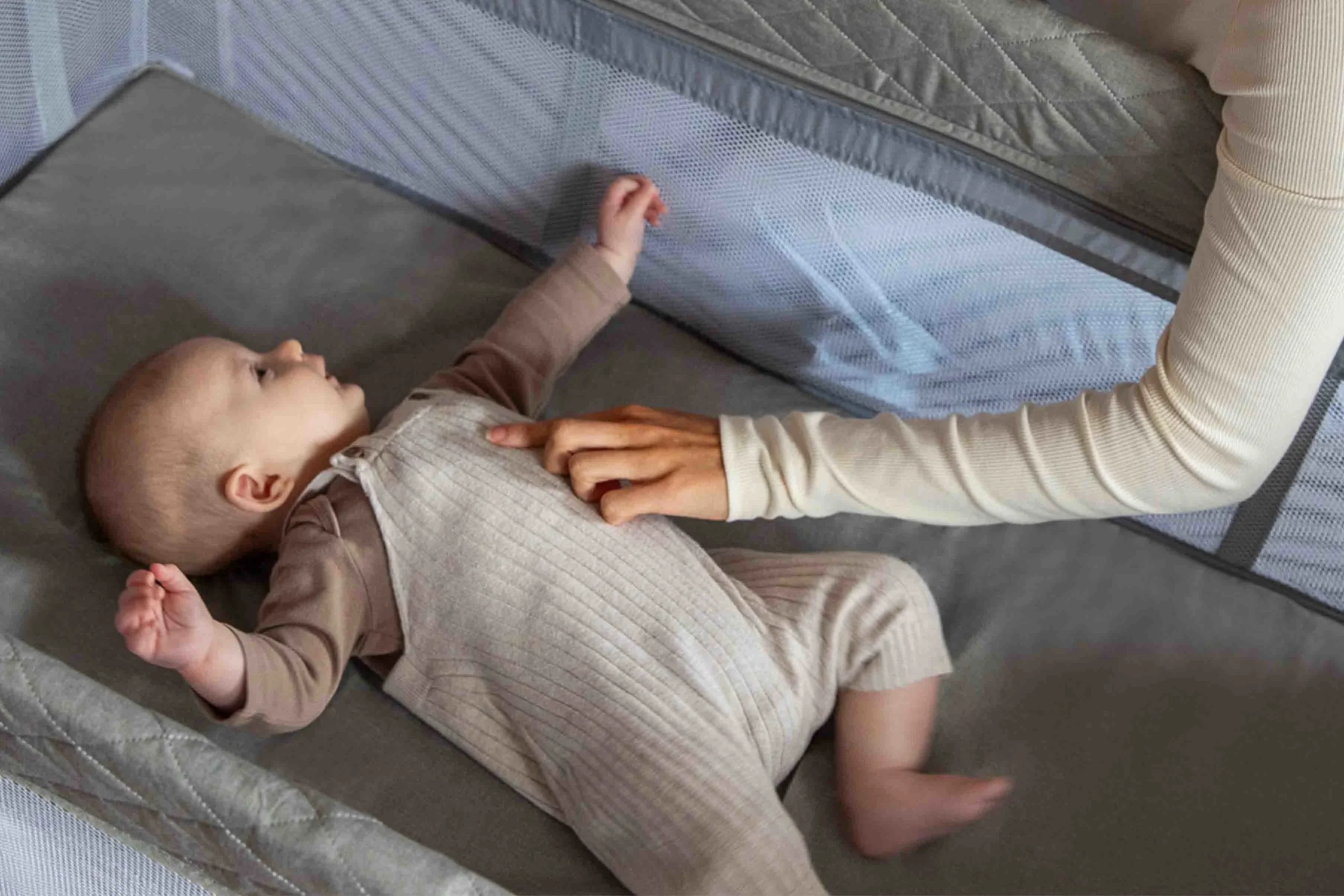
Before leaving the baby to sleep, take a few seconds to inspect the surroundings. Make sure the mattress remains firm, the fitted sheet stays secure, and the crib contains no loose objects. Also, check that cords from blinds, monitors, or other nearby devices remain well away from the baby’s reach.
Parents should also make sure that caregivers understand the household’s sleep practices. A clear conversation can prevent well-intentioned relatives from introducing pillows, blankets, or other items that do not belong in the crib.
Make Safety a Daily Habit
Creating a safer sleep environment is less about buying special products and more about following reliable habits every time the baby sleeps. A firm sleep surface, an uncluttered crib, appropriate clothing, and a consistent sleep position provide a strong foundation.
Most importantly, caregivers should remain consistent. Even when the baby seems comfortable or has slept safely before, continuing the same baby safe sleep practices helps maintain a safer environment over time. When parents build these habits into every nap and bedtime, safe choices become automatic rather than something they have to remember at the last minute.