
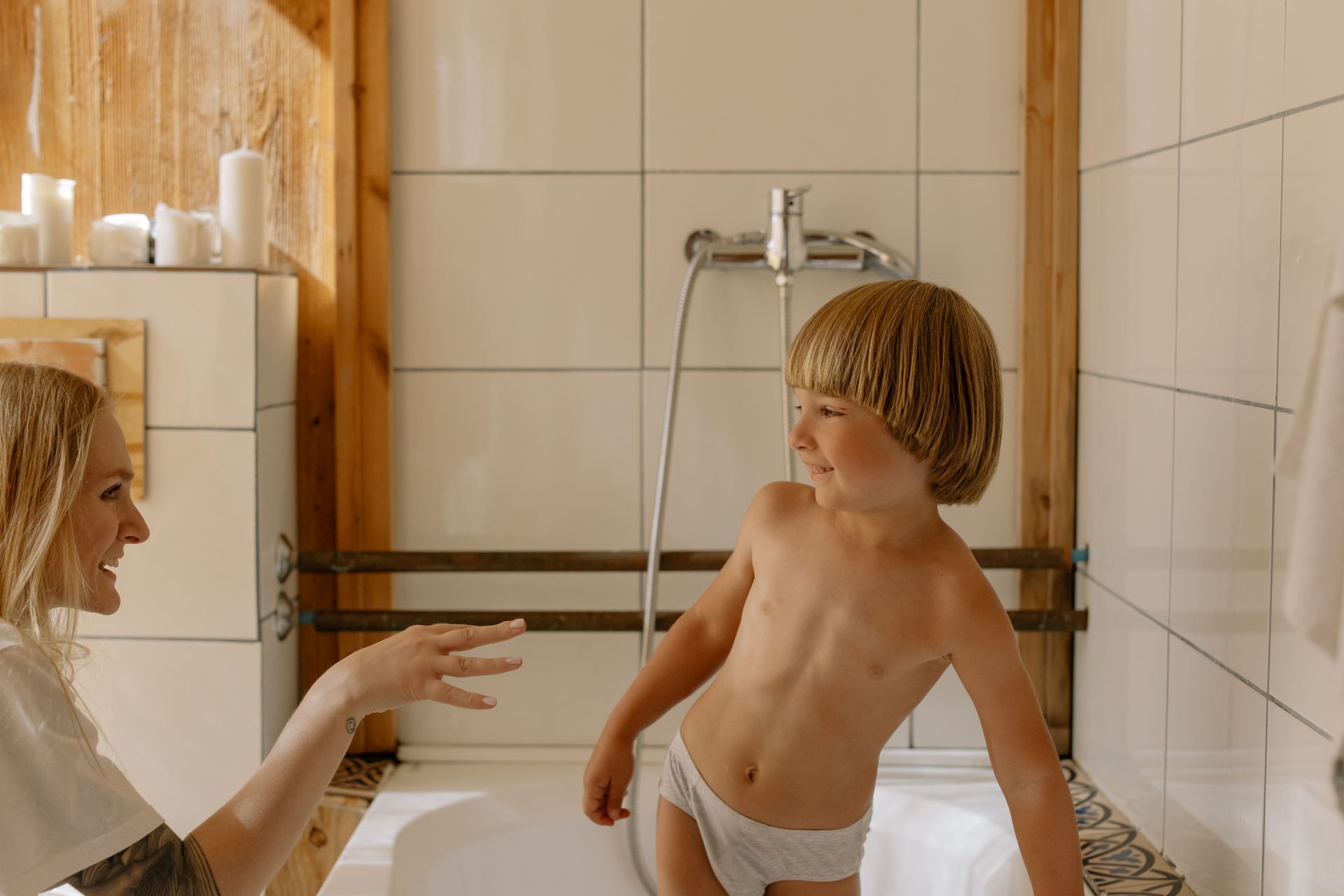
Watching a four-year-old wrestle with a zipper can test anyone’s patience. You know you could fix it in three seconds flat. However, those three seconds are exactly when a small person decides whether they are capable or whether adults will always swoop in. If you want to encourage independence in kids, the secret is rarely a clever chart or a reward jar. Mostly, it comes down to time, patience, and a willingness to let things look messy for a while.
Most of the practical scripts I use come from trial and error at my own kitchen table, plus steady reading from mommabears.org, which keeps a solid library of parenting guidance. Their approach matches what child development research keeps confirming: skills grow through repetition, not rescue.
Why Independence Grows in the Gaps of an Ordinary Day
Independence is not a personality trait that children either have or lack. It is a stack of small skills built over years. Moreover, each skill needs one thing parents guard fiercely — unstructured, unhurried time. When you rush a child through dressing, pouring, or wiping a table, you finish the task but skip the lesson entirely.
Therefore, the first shift is mental, not logistical. Ask yourself what you are really protecting when you take over. Often it is your own schedule or your own discomfort at watching a struggle. Parents who want to encourage independence in kids usually discover the biggest obstacle is their own reflex. Realistically, nobody steps back every single time. Progress matters more than perfection here.
When You Encourage Independence in Kids, You Build Problem-Solvers
A child who ties their own shoes slowly learns that frustration is survivable. That lesson transfers. It shows up later in homework, friendships, and eventually in how they handle a difficult boss. Consequently, the messy morning is not lost time — it is compound interest.
Give Them Extra Time, Even When the Clock Is Loud
Time is the most generous gift you can hand a developing brain. Kids move at their own processing speed, and rushing narrows their thinking. Try waking everyone fifteen minutes earlier to take the pressure off the whole routine. It sounds like a tiny change, yet it can wipe out most of the shouting before breakfast.
Practical Ways to Buy Back Time
- Lay out clothes the night before so mornings require zero decisions.
- Set a visual timer instead of nagging; the clock becomes the “bad guy,” not you.
- Choose one task each week where your child is fully in charge, no matter how long it takes.
- Build a buffer into every departure, even if it means sitting in the car for ten minutes.
- Practice new skills on relaxed weekend days, when nobody is watching the clock.
Notice how none of these require a lecture. The environment does the teaching instead. Furthermore, when a child knows they own a task, dawdling often drops, because dawdling is usually a power move against being hurried.
Break Big Chores Into Small, Winnable Steps
“Clean your room” is not an instruction. It is a fog. A child hears that and freezes, because their brain cannot locate the first move. However, “put the blocks in the blue bin” is concrete, finishable, and quietly satisfying. Shrinking the ask is how you encourage independence in kids without triggering a meltdown.
How to Encourage Independence in Kids During Real Chores
- Name the outcome in one sentence: “The floor needs to be clear.”
- Break it into two or three moves maximum — books on the shelf, clothes in the hamper.
- Let them choose the order.
- Stay nearby but busy with something else.
- Return when they call you, not before.
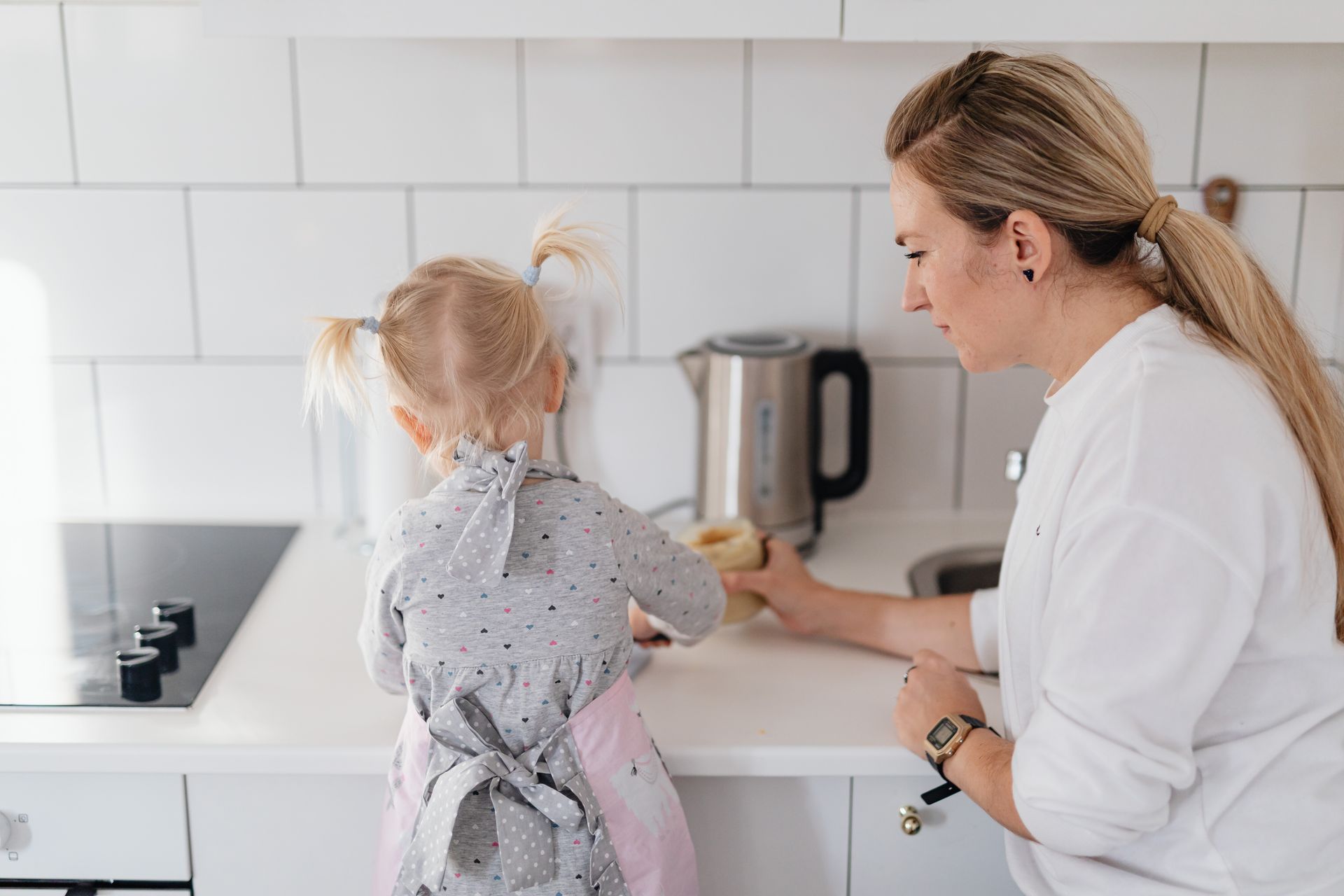
This works for cooking too. A seven-year-old cannot make dinner. Nevertheless, they can wash potatoes, stir batter, or set the table. Each contributing role sends the same message: you are part of how this family runs.
“Children do not need us to do things for them. They need us to believe they can, and then to get out of the way.”
Praise the Effort, Not the Perfect Outcome
Effort-based praise protects a child from the trap of only feeling good when results are flawless. Say “you kept trying even when the knot got tight” rather than “good job.” The first sentence names a behavior they can repeat tomorrow. The second one is pleasant but quickly forgotten.
What Effort-Based Praise Sounds Like
Try “you carried that all the way yourself,” or “you noticed the spill and grabbed a cloth.” Specific words land harder than generic cheerleading. Also, avoid rescuing a task right after praising it, since that quietly undoes the whole message.
Perfectionism is the quiet enemy of independence. A child who fears a wrinkled bedspread will simply stop making the bed. Therefore, let the working standard be “done well enough for now.” You can raise the bar next season, once the habit has roots.
When It Goes Sideways: Realistic Scenarios
Some days your child will cry over socks and refuse everything you offer. That is normal, not proof the approach failed. Back off, lower the bar for that hour, and return to it tomorrow. Consistency across weeks beats intensity across one heroic afternoon.
Siblings complicate things as well. One child may be quicker and start doing everything for the younger one. Gently redirect instead: “Let her try first, then you can help.”
The Slow Build Nobody Notices Until They Do
Nobody hands out awards for the parent who waited eleven minutes while a five-year-old buttoned a coat. Yet that waiting is the actual work. When you encourage independence in kids, you trade short-term convenience for a long-term adult who can cook, plan, apologize, and recover from failure.
Start with one task this week. Protect the time for it. Shrink the steps until they are winnable. Praise the trying rather than the polish. Then watch what your child does when nobody is hovering close by — that is where real confidence lives.