
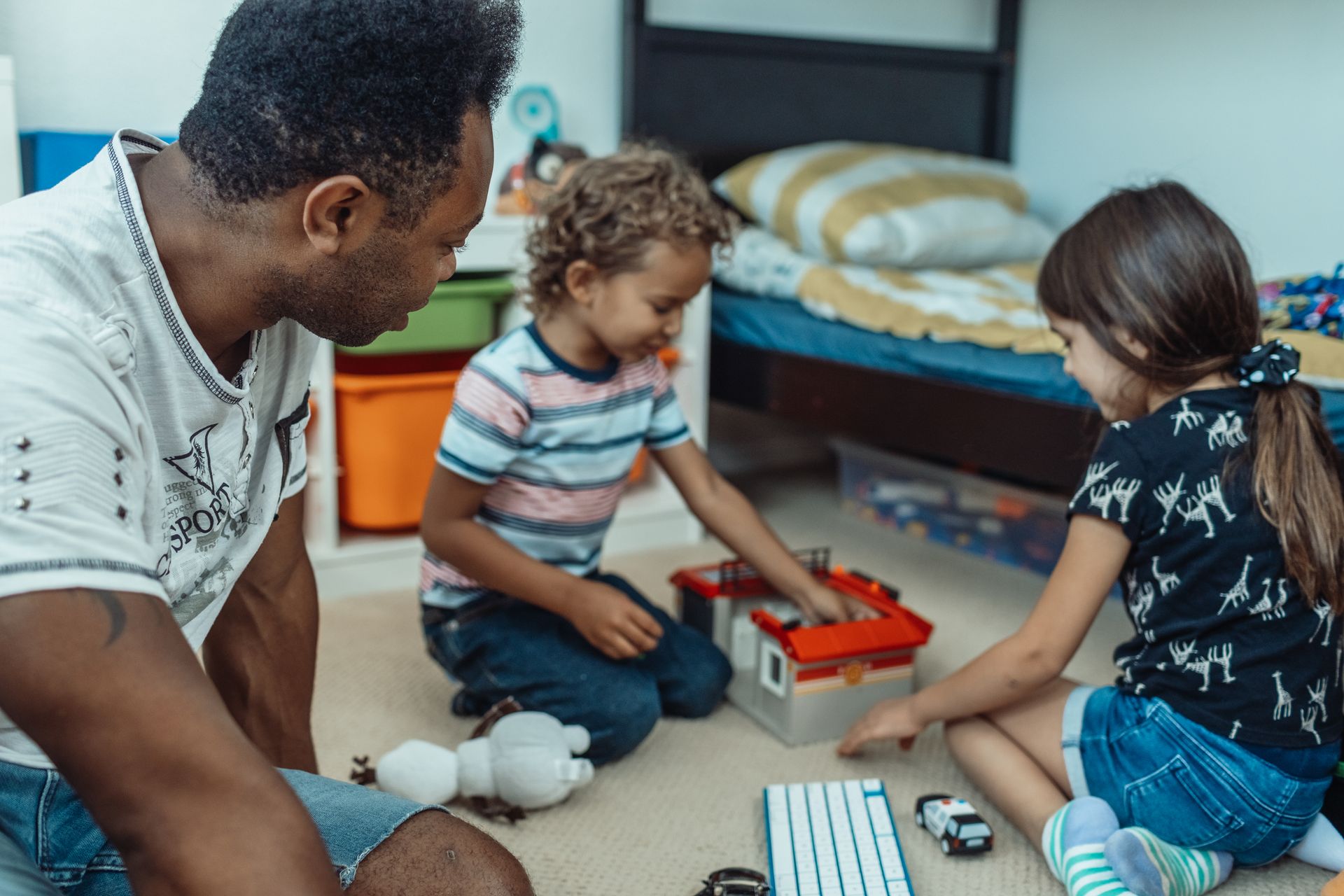
Most parents don’t need a bigger house. They need better zones. Family-friendly home organization is less about matching bins and more about where things actually land when a four-year-old barrels through the front door. If you want a system that survives a Tuesday afternoon, start with the spots your kids already use, not the ones a magazine says they should. Families who plan around real habits — like the routines shared at Mommabears — tend to keep their systems running far longer than those who buy first and think later.
Here’s the honest version. Kids under eight don’t tidy. They drop. Therefore, any storage plan that demands a step stool, a heavy lid, or an adult’s help will collapse within a week. Build for the drop instead.
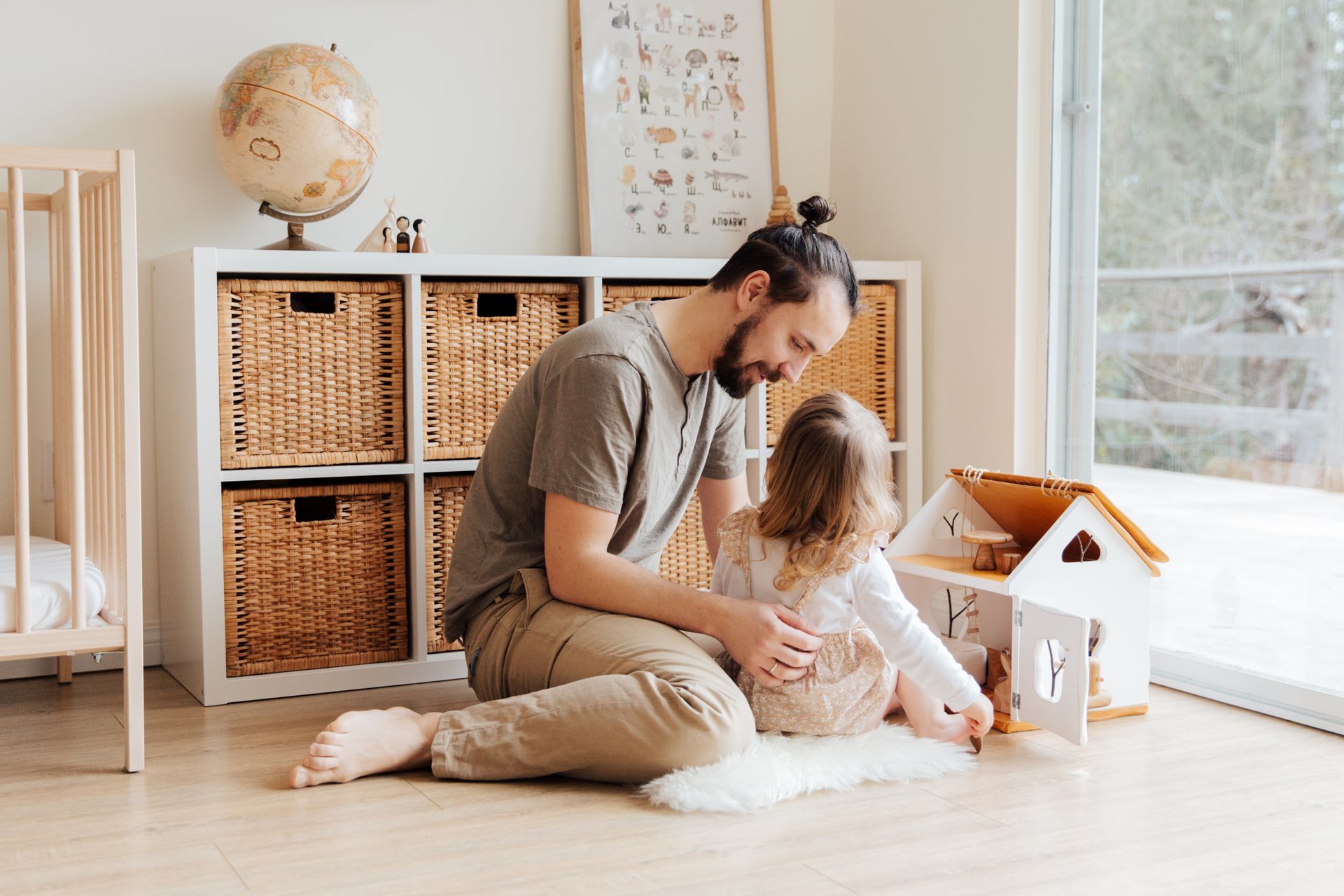
Why Family-Friendly Home Organization Starts at Knee Height
Crouch down to your child’s eye level and scan the living room. You’ll spot the problem fast. Nearly all the storage belongs to you. Baskets sit on high shelves, toy chests carry heavy lids, and every hook hangs above a small person’s reach. That mismatch, rather than laziness, creates most of the toy clutter in a family home.
Lowering a handful of zones fixes it, and the fix costs almost nothing. Move one bin per room down to floor level. Ditch the lid. Swap written labels for pictures, because toddlers can’t read but they can match a photo of a dinosaur to the right bin in about two seconds.
The One Reach, One Drop Rule
Every object worth keeping should sit within one reach of where it gets used and one drop from where it gets abandoned. Shoes belong at the door, not in an upstairs closet. Backpacks belong on a hook beside the entrance the kids actually use. Art supplies belong next to the table where the mess happens.
When storage sits far from the point of use, clutter wins. When it sits close, tidying becomes part of the activity instead of a separate chore nobody wants.
Toy and Gear Zones That Kids Can Run Themselves
A workable toy zone has three traits. It’s visible, low, and limited. Visible means open bins rather than sealed boxes. Low means the floor or a bottom shelf. Limited means a hard cap on how much lives there at once.
- Rolling bins tucked under a low bench, so kids can move the whole stash themselves
- Open canvas cubes on the bottom shelf of a bookcase, one category per cube
- Picture labels taped to the front, printed from your phone in five minutes
- A donation basket that lives in plain sight, so outgrown toys leave before new ones arrive
Gear Zones That Handle the Doorway
Entryways take more traffic than any other square metre in the house. Therefore, give them the most structure. A bench with two shelves, a row of low hooks, and one shallow tray per child absorbs shoes, jackets, and school bags without a single argument.
Wet weather gear deserves its own spot. A plastic boot tray near the door stops mud from travelling across the floor. In winter, add a second tray for gloves and hats. Cheap, boring, and it works.
Furniture That Shrugs Off Juice, Paint, and Grape Jelly
Stain resistance beats style when small children share your sofa. Look for tight-weave fabrics, leather, or performance blends instead of loose linen. Good family-friendly home organization also extends to what you buy, since a couch that wipes clean saves hours of scrubbing every month.
Materials That Earn Their Place
- Performance fabric with a moisture barrier, which cleans with water alone
- Full-grain leather, which absorbs spills slowly and buffs out scratches
- Powder-coated metal frames, which resist chipping and wobble
- Sealed wood or laminate tops, the practical pick for craft tables
Rounded corners matter as much as fabric. Skip glass tops and sharp edges until the kids are older. A sealed laminate craft table, for instance, handles tipped water cups and crayon marks with one wipe.
Give the Messy Art and Play Zone Its Own Address
Creativity is messy by design. Fighting that fact leaves everyone frustrated, so give the mess a home instead. A washable rug, a wipe-clean table, and a shelf of supplies turn chaos into a contained event.
Location is the real decision here. Put this zone away from carpeted bedrooms whenever possible. A kitchen corner, a garage wall, or a hallway nook works fine. Basements work too, provided the stairs stay safe for younger kids.
The Five-Piece Art Zone
- A wipe-clean table, even a cheap folding one
- A shallow bin for paper, card, and cardboard scraps
- A caddy holding washable markers, crayons, and glue sticks
- A lidded box for paint, stored up high
- A hook for aprons and a damp cloth
Paint lives up high because it needs supervision. Everything else stays within reach, so kids can start drawing without asking permission. That small shift cuts interruptions and raises the odds the table actually gets used.
Family-Friendly Home Organization Habits That Stick
Systems fail when they demand too much effort. Keep the nightly reset short, then. A ten-minute tidy, done with the kids rather than for them, stops bins from overflowing. A five-minute Sunday sweep catches gear that drifted into the wrong room.
Rule of thumb: if a child can’t put something away alone in under ten seconds, the storage is wrong — not the child.
Rotate toys instead of buying more storage. Store two-thirds of the collection out of sight and swap every few weeks. Novelty stays high, and, as a result, the visible bins stay manageable.
Audit each zone once a season. Outgrown clothes, broken crayons, and duplicate water bottles all creep in quietly. Ten minutes with a donation bag keeps the whole system honest.
None of this requires a renovation or a big budget. Lower the bins, label them with pictures, choose furniture that forgives spills, and let the art zone be messy on purpose. Family-friendly home organization works best when it bends around how your household actually lives. Start with one room this weekend, and let the rest follow.