

Waiting for your first baby feels like standing in a long hallway without a map. You get nine months, dozens of conflicting opinions, and hardly any sleep along the way. A clear first baby preparation plan cuts through the noise and narrows everything down to three priorities: where the baby sleeps, how you and your partner share the load, and what you eat at 2 a.m. when cooking is completely off the table.
One sensible starting point is the practical guidance for new moms at Mommabears, where parents compare notes on gear, recovery, and the messy reality of the fourth trimester. From there, you can shape a plan that fits your budget, your apartment size, and your energy levels.
What A Realistic First Baby Preparation Plan Covers
New parents overspend on stuff and underspend on systems. That pattern shows up in almost every registry I have ever reviewed, including my own. Therefore, treat the three areas below as your backbone — the nursery, the partnership, and the freezer — and let everything else be optional.
Nursery Essentials That Actually Earn Their Space
A newborn does not need a themed room. A newborn needs a safe place to sleep and an adult who can reach the diapers in the dark. Build the room around that single truth and you will save hundreds of dollars.
- A crib or bassinet that meets current CPSC safety rules, with a firm mattress and a tight-fitting sheet
- Two or three sleep sacks in newborn and 0–3 month sizes, since loose blankets are a no-go
- A sound machine and blackout curtains, because babies do not arrive with a sense of day and night
- A changing pad, a diaper caddy, and a lidded trash can within arm’s reach
- A dim night light with a warm bulb so you can feed without waking everyone
- Storage bins or a dresser for clothes, burp cloths, and swaddles
Safety standards shift over time, so buy new where it genuinely matters. In 2026, drop-side cribs are long gone and any used crib should be checked against the latest recall lists before you accept it. Skip the vintage hand-me-down mattress entirely.
A nursery is a room where a baby sleeps. Everything beyond that is decoration, and decoration can wait until you have slept more than three hours in a row.
Gear You Can Happily Skip
Registries tempt you toward gadgets that solve problems you will never have. Wipe warmers, bottle sterilizers (unless a pediatrician advises one), newborn shoes, crib bumpers, and enormous clothing hauls in size NB all tend to sit untouched. Moreover, babies outgrow newborn sizes within weeks.
Postpartum Expectations: Have The Hard Talks Early
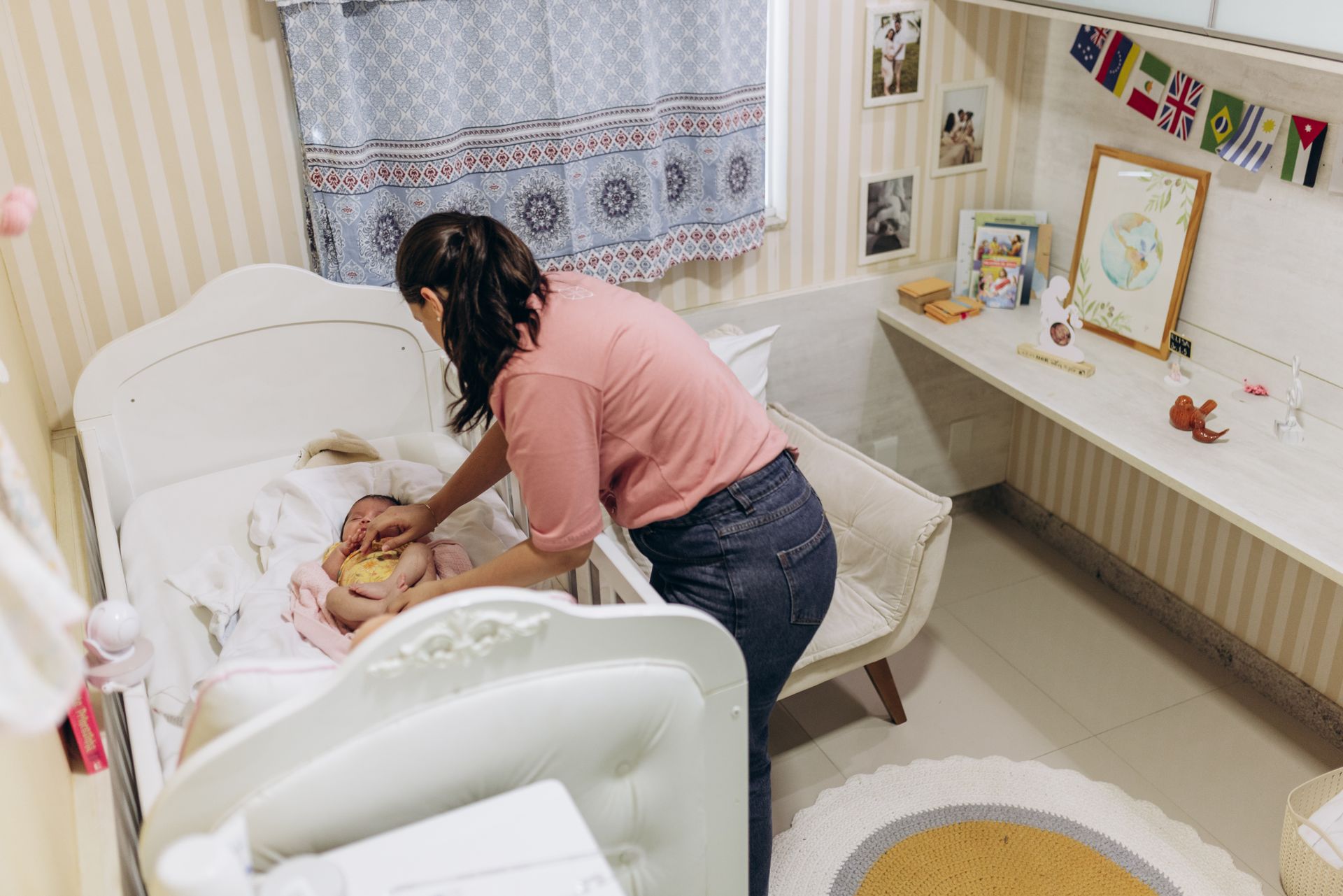
Most couples discuss the birth in detail and the recovery hardly at all. That gap causes friction later. Around 32 to 34 weeks, sit down with your partner and work through the questions below while you both still have functioning brains.
- Who handles which night feedings, and how do we protect each other’s sleep blocks?
- What is our feeding plan, and what is plan B if breastfeeding hurts or supply is slow?
- Which visitors are welcome in the first two weeks, and who gets to say no?
- What warning signs in either of us mean we call a doctor about postpartum mood?
- How much leave does each of us have, and what does the budget look like during that stretch?
Screening for perinatal mood disorders is now standard practice at most hospitals, and providers increasingly check both parents. Therefore, agree in advance that asking for help is a normal part of recovery, not a failure of parenting.
Write your postpartum plan down and put it on the fridge. Exhausted people do not remember verbal agreements.
The Shift System That Saves Relationships
Split the night into two blocks instead of trading every wake-up. One parent covers roughly 9 p.m. to 2 a.m., the other takes 2 a.m. to 7 a.m. Consequently, each of you gets one uninterrupted stretch, which matters more than equal minutes on paper.
Third-Trimester Batch Cooking: 2 A.M. Insurance
Your first baby preparation plan should include food, because nobody cooks well on four broken hours of sleep. Weeks 34 through 37 are the sweet spot for batch cooking: your belly is manageable, your energy still shows up in bursts, and the freezer has room if you clear it first.
What Freezes Well (And What Turns To Mush)
- Chili, lentil stew, bolognese, and curry — all improve after freezing
- Soups in flat freezer bags, which thaw in minutes under warm water
- Burritos, breakfast sandwiches, and muffins for one-handed eating
- Marinated raw chicken or tofu portions you can dump straight into a pan
- Cooked rice and mashed potatoes in single portions
- Avoid: cream-based sauces, fried food, and anything with raw salad greens
Four Cooking Sessions, One Full Freezer
You do not need a heroic weekend. Four sessions of about ninety minutes each will fill a standard freezer drawer. Double every dinner you cook for two weeks and freeze the second half. Then use one session for breakfasts, one for soups, and one for snacks like energy balls or lactation cookies.
Label everything with the dish name and the date, and use freezer-safe containers rather than thin bags for anything saucy. Aim to eat the oldest meals first, generally within three months. Additionally, freeze in portions sized for one person, since you and your partner will rarely sit down to eat at the same moment.
Your Final-Week First Baby Preparation Plan Checklist
By 38 weeks, the planning is mostly done, so keep the last stretch simple:
- Install the car seat and have it checked by a certified technician
- Pack the hospital bag and leave it by the door
- Wash baby clothes and sheets in fragrance-free detergent
- Stock the bathroom with pads, peri bottles, and easy snacks
- Save the pediatrician’s number and the after-hours nurse line in your phone
- Tell one trusted person they are your backup call at 3 a.m.
Preparation will not make the newborn stage easy. Nothing does. However, a decent nursery, an honest conversation with your partner, and twenty meals in the freezer turn a chaotic first month into something you can actually survive. Start with one of the three this week and let the rest follow.