

Building a strong connection with your child rarely happens in dramatic moments. It grows in the small, ordinary ones. The gentle parenting connection rests on three quiet habits: child-led play, daily physical affection, and honest validation of who your child already is. That’s it. No perfect scripts required. If you want steady encouragement along the way, the community at mommabears.org offers grounded, judgment-free support for parents in the thick of it.
Most parents already know these ideas in theory. However, the gap between knowing and doing is where connection either deepens or drifts. Below are the practical pieces, including what they look like on a Tuesday afternoon when everyone is tired and someone has spilled juice on the carpet.
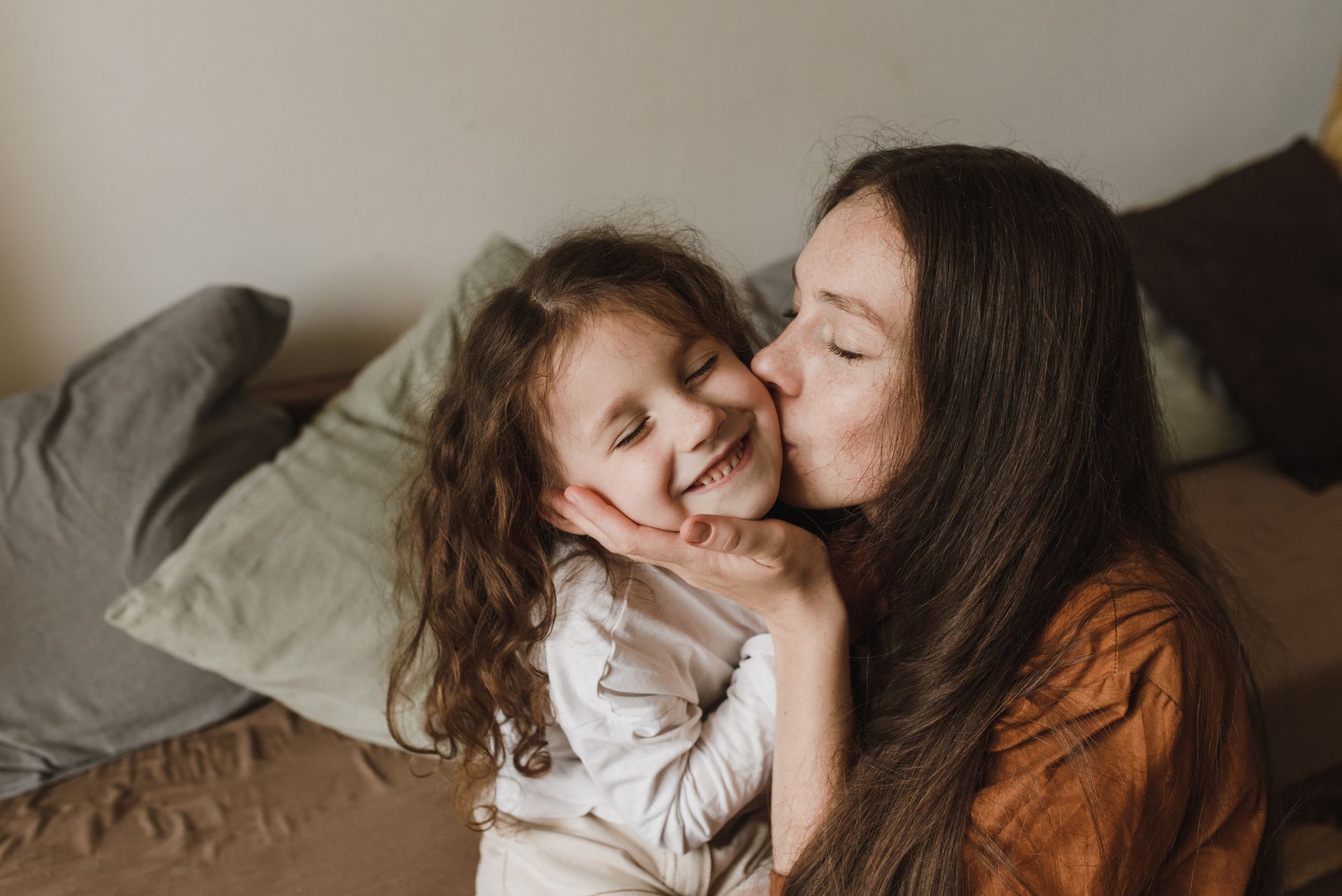
What the Gentle Parenting Connection Actually Looks Like
Gentle parenting gets misunderstood as permissive parenting. It isn’t. Boundaries still exist, along with bedtimes, limits, and the word “no.” What changes is the tone underneath the boundary — warmth instead of control, curiosity instead of correction.
Connection, in this framework, isn’t a reward for good behavior. It’s the foundation that makes cooperation possible at all. A child who feels seen tends to argue less, not because they’ve been bribed, but because they aren’t fighting for attention.
Why Small Moments Beat Big Gestures
Parents often plan a big weekend outing and hope it repairs a rough week. It rarely works that way. Ten minutes of undivided attention on a random Wednesday often lands harder than a full day at a theme park. Moreover, consistency matters far more than intensity.
- Ten minutes of real play beats an hour of distracted supervising.
- A daily hug routine beats occasional grand gestures.
- Curiosity about their interests beats praise for their achievements.
Timing matters too. Right after school is often a terrible window for deep conversation. Kids come home hungry, overstimulated, and emotionally spent. Feed them first, wait twenty minutes, then reconnect. That pause prevents a lot of unnecessary friction.
Let Your Child Lead the Play (Yes, Really)
Child-led play means your kid picks the game, sets the rules, and decides when it ends. Your job is to follow. This feels strange at first, especially for parents who are used to organizing everything.
Resist the urge to steer. If your four-year-old wants to build a rocket out of couch cushions for forty minutes, you build cushions. If your nine-year-old wants to explain a video game level in exhausting detail, you listen. The gentle parenting connection strengthens precisely because the child holds the control.
Moreover, child-led play reveals things. You learn what frightens them, what delights them, and which characters they identify with. That information is gold later, when the topics get heavier and the answers matter more.
“Play is the language children use when words feel too complicated.”
Practical Ways to Hand Over the Wheel
- Ask “what should we play?” instead of announcing a plan.
- Say yes to boring games for ten minutes, then set a clear timer.
- Narrate what you see instead of directing: “You’re building a bridge.”
- Let them win sometimes, and lose sometimes, without commentary.
Physical Affection, Every Single Day
Touch is one of the fastest routes into a child’s nervous system. A hand on the back, a morning hug, a squeeze before school — these aren’t extras. They’re regulation tools. Everyday touch is also a pillar of the gentle parenting connection, and it costs nothing but a few seconds.
Teenagers need it too, though the delivery changes. A side hug, a shoulder rub, or simply sitting close on the couch may replace the full-body tackle. Therefore, adapt the form without dropping the habit entirely.
Building an Affection Routine That Sticks
Routines remove the need for willpower. Attach affection to moments that already happen, and it becomes automatic rather than another item on your list.
- Two hugs before school, one at pickup.
- A hand on their shoulder when you pass in the hallway.
- Cuddles at bedtime, even if it’s only five minutes.
- High fives and fist bumps during frustrating homework.
Some children resist touch. If yours does, offer it without pressure. Ask first. Physical affection must feel safe, otherwise it backfires and teaches the opposite lesson.
Validate Their Passions, Even the Weird Ones
Your child’s obsession with dinosaurs, anime, or obscure music isn’t a phase to correct. It’s a doorway. Walk through it.
Validation doesn’t require you to love the same things. It requires you to take their interest seriously. Ask real questions. Remember details. Learn the names of the characters, even when they sound ridiculous to you.
By contrast, dismissal teaches kids to stop sharing. When a child hears “that’s silly” often enough, they quietly close the door. That silence is hard to reverse, so catch it early while the door is still open.
What Validation Sounds Like in Real Life
Specific language works better than generic praise. Compare the two side by side.
- Instead of “that’s nice,” try “tell me why that one is your favorite.”
- Instead of “good job,” try “you worked on that for a long time.”
- Instead of “that’s not important,” try “I don’t know much about it — teach me.”
Siblings rarely share the same passions, and that’s fine. Each child needs their own pocket of undivided attention. Twenty minutes of one-on-one time per child per week often does more than hours of group activities.
When the Gentle Parenting Connection Feels Far Away
Some seasons are hard. A new baby, a job loss, a move, or a child in a defiant stretch can make connection feel impossible. That’s normal, and it isn’t permanent.
Start smaller than you think you need to. One hug. One ten-minute game. Then add one honest sentence about how much you like them as a person, not just as a student or a helper.
Repair Beats Perfection
Repair matters more than perfection, and every parent needs it eventually. When you snap, come back and name it plainly. “I was frustrated, and I raised my voice. That wasn’t about you.”
Children who watch adults repair learn that relationships survive conflict. That lesson travels with them for decades, into friendships and eventually into their own homes.
Three Habits, One Relationship
Child-led play, daily affection, and validation are not a program. They’re habits, and habits compound over years. Start with whichever one feels easiest this week and layer in the others as they stick.
Your child doesn’t need a flawless parent. They need one who keeps showing up, keeps noticing, and keeps reaching for them. Moreover, that steady reaching is the whole gentle parenting connection — nothing fancier, nothing louder.