
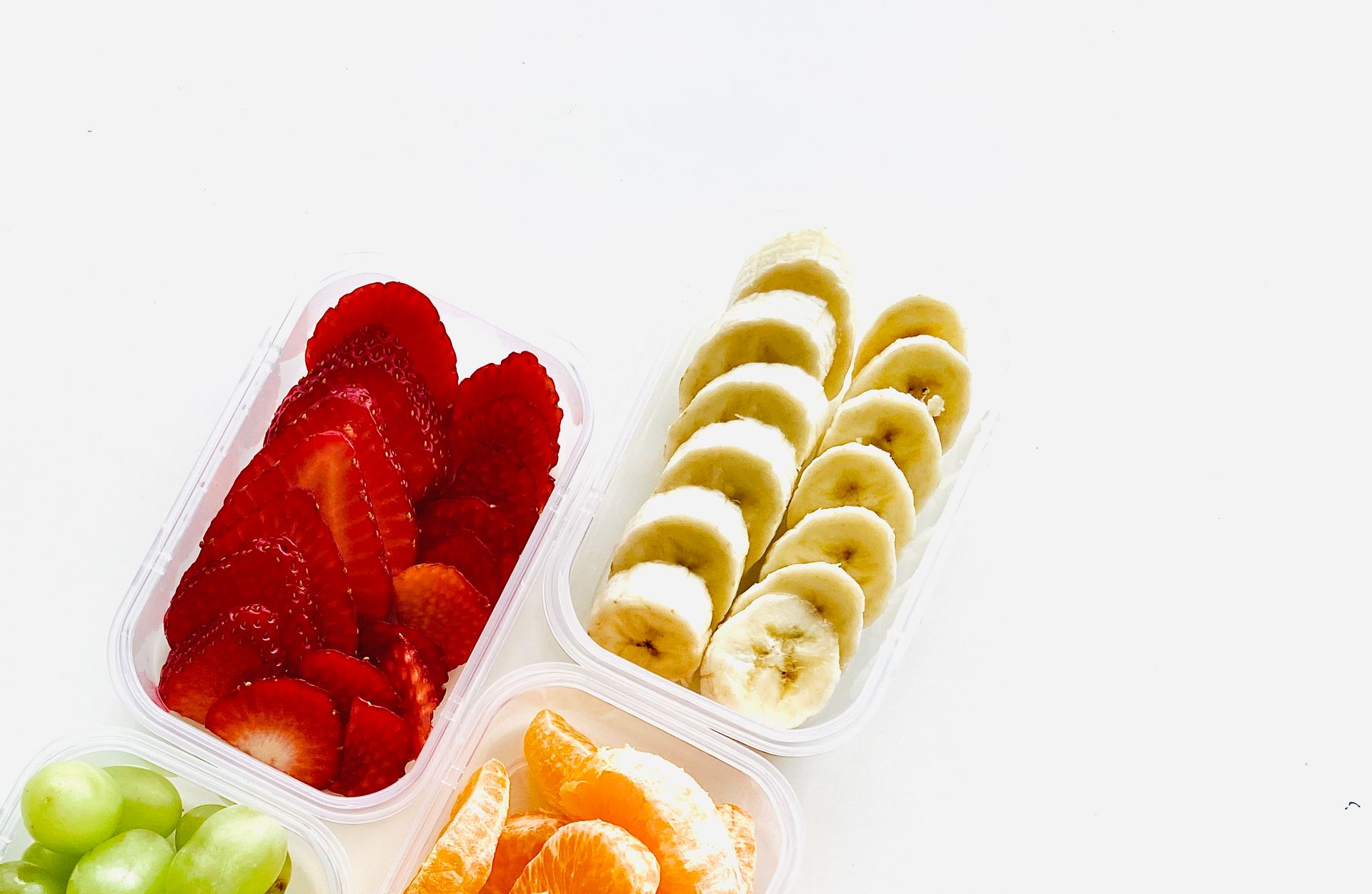
The after-school hunger wave hits hard. One minute the kitchen is quiet, and the next a seven-year-old is dangling off the fridge handle insisting there is nothing to eat. Most families reach for crackers or a granola bar, then wonder why dinner gets picked at twenty minutes later. Healthy snack ideas for children do not have to be elaborate, yet they do need a little structure. That structure comes down to three things: where the food lives, what it gets paired with, and who helped prepare it.
Parents who plan ahead tend to see fewer meltdowns and far less food waste. Community resources such as Momma Bears offer practical, kid-tested guidance on nutrition and daily family routines. Building a snack station is one of the simplest healthy snack ideas you can put in place this week, and it costs nothing beyond a few clear containers.
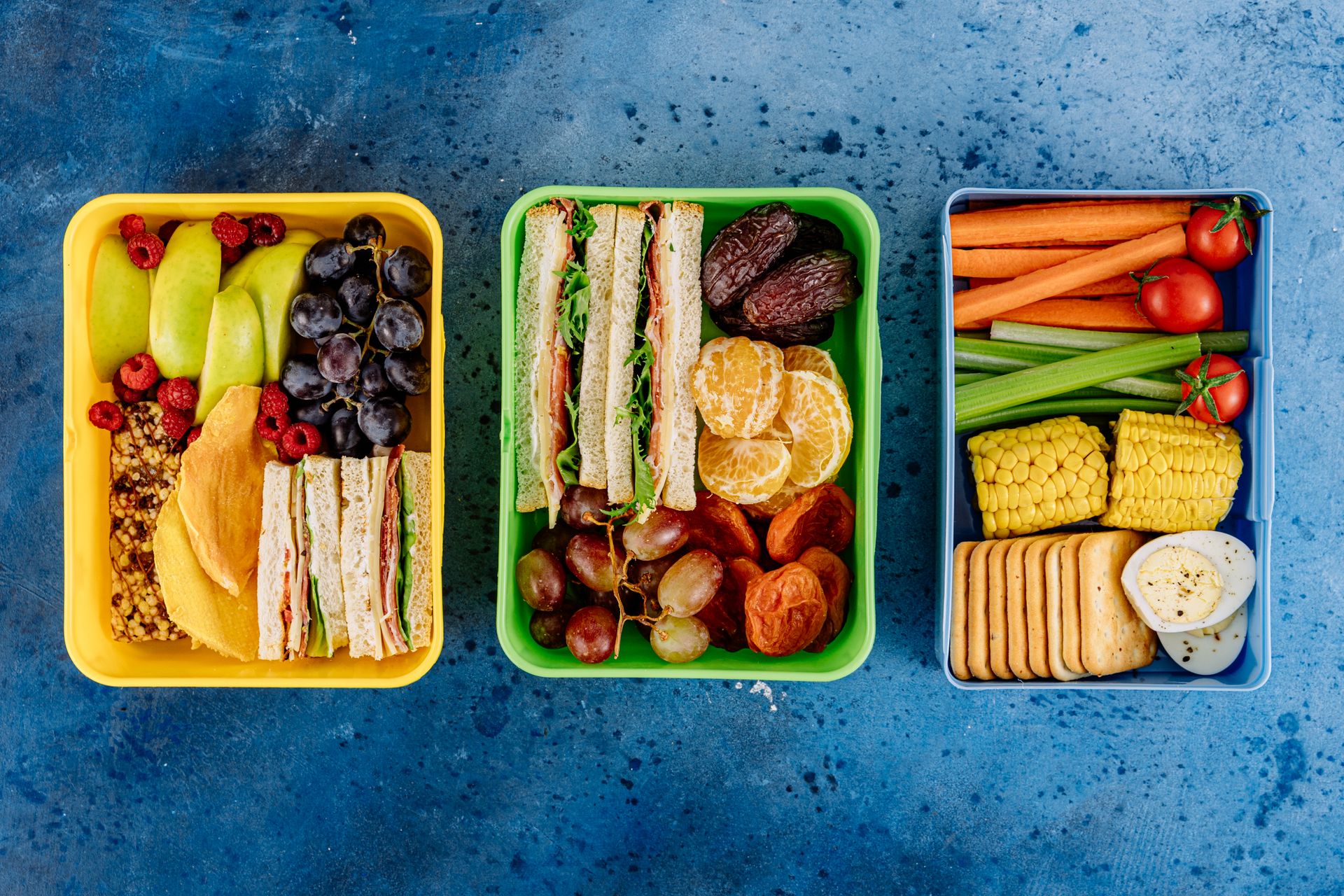
Healthy Snack Ideas That Start With the Fridge Door
A snack station is not a Pinterest project. It is a shelf, a bin, or a drawer that a child can open without help. Ideally, it sits between knee and shoulder height so nobody needs to climb. Moreover, it should hold only foods you are happy for them to eat unsupervised.
Kids eat with their eyes first, and a chaotic fridge works against you. When grapes sit behind the leftover takeout, they stop existing. Therefore, clear containers in a dedicated spot do more for nutrition than any lecture about vitamins.
The Three-Choice Rule
Too many options freeze children. Offer three items at a time — one fruit or vegetable, one protein, one crunchy or starchy item. Rotate them every few days so boredom never sets in. This small limit actually increases the odds your child picks something, rather than closing the door empty-handed.
Labeling helps younger kids too. A simple drawing of a strawberry on a bin removes the reading barrier for a four-year-old. However, avoid labeling foods as “healthy” or “good for you.” Research on kid eating habits keeps pointing the same direction: moral labels make food feel like homework.
Wash, Cut, and Portion Before It Hits the Shelf
Pre-cut vegetables get eaten. Whole carrots in a bag do not. Spending ten minutes on Sunday washing grapes, slicing cucumbers, and portioning hummus into small cups pays off all week. Yes, it is work. It is also the difference between a snack station that functions and one that quietly becomes a science experiment.
What Stays Out of the Station
Sugary drinks, candy, and heavily packaged “fruit” gummies do not belong in a self-serve bin. That does not mean banning them, however. A treat that lives on a high shelf and gets offered occasionally stays special, while the same item in an open bin gets eaten daily without a second thought.
Carbs Plus Protein: The Pairing That Keeps Kids Full
Here is where most snack advice falls short. A piece of fruit alone spikes energy and drops it fast, which is why your kid is hungry again an hour later. Combining a complex carbohydrate with a protein or fat source slows digestion and stretches satiety much further.
Think of it as two puzzle pieces. The carb provides quick fuel, while the protein and fat provide staying power. Together they flatten the blood sugar curve and reduce the 5 p.m. meltdown.
- Apple slices with peanut butter or sunflower seed butter
- Whole-grain crackers with cheese cubes
- Baby carrots with hummus
- Plain yogurt with berries and a sprinkle of oats
- Whole-wheat toast fingers with mashed avocado and lime
- Edamame with a small handful of whole-grain pretzels
Notice none of these require cooking. Additionally, most can be assembled by a child aged five or older with minimal supervision. Keep nut butters and dips in small lidded containers so the fridge stays tidy.
Timing matters as well. Offering a balanced snack about two hours before dinner is usually safe, yet a full plate of carbs at 5:30 will ruin the meal. A lighter option, like cucumber rounds with a slice of cheese, bridges the gap without spoiling appetites.
Healthy Snack Ideas Get Better When Kids Build Them
Children are far more likely to eat something they helped make, a pattern that holds across nearly every feeding study. Involvement also builds skills they will use for decades. Therefore, hand over the colander and let them take real ownership of the process.
Turn Sunday Prep Into a Family Ritual
- Pick three snacks together from a short, parent-approved list.
- Wash and dry the produce as a team.
- Portion dips and spreads into small containers.
- Fill the bins and let your child arrange the shelf.
- Photograph the finished station and tape the picture to the fridge.
Twenty minutes, once a week. That is the whole commitment. Younger kids can rinse berries while older children handle knife work with a safe cutter. Furthermore, letting them choose between two acceptable options prevents the power struggle that comes with a fully open menu.
Kids who help prepare food eat more variety, waste less, and complain less. A snack station simply makes that habit visible every time the fridge door opens.
Mistakes That Quietly Sabotage the Station
Even good systems break down over time, and small annoyances compound into abandoned habits. Watch for these common traps.
- Storing snacks behind adult food, where kids cannot see them
- Buying giant family-size bags that encourage mindless grabbing
- Offering carbs only and skipping protein entirely
- Restocking without asking what actually got eaten
- Making the station off-limits, which turns it into forbidden fruit
The last point matters more than it seems. A station that is always accessible loses its novelty and stops feeling like a reward. Consistency beats restriction almost every time.
Small Changes, Noticeable Results
You do not need a nutrition degree to improve how your child eats between meals. A reachable shelf, a smart pairing, and a weekly twenty-minute prep session cover most of it. Start with one bin this weekend and see what happens. Most parents notice the difference within a week — fewer arguments, calmer afternoons, and a child who actually finishes dinner.
Healthy snack ideas work best when they fit real life rather than a perfect kitchen. Adjust as your kids grow, swap in seasonal produce, and let them tell you what is working. The goal is not perfection. It is a fridge that helps your family instead of confusing it.