
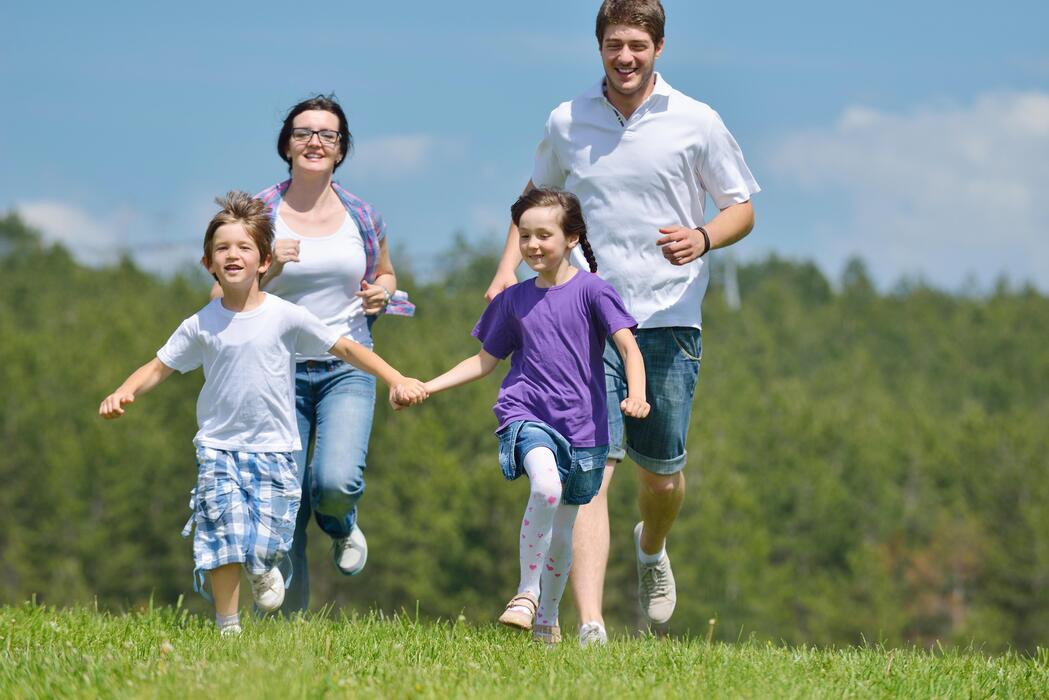
How Families Can Stay Active is more than a way to improve physical fitness. It also creates opportunities to spend meaningful time together, reduce stress, and develop healthy habits that can last for years. Whether your family enjoys outdoor adventures, sports, dancing, or simple games at home, regular movement can become an enjoyable part of everyday life.
Busy schedules often make exercise seem difficult to fit in. However, families do not need expensive equipment or lengthy workouts to become more active. With creativity and consistency, even short periods of movement can bring everyone together while supporting physical and emotional well-being.
Make Movement a Family Habit
The easiest way to encourage an active lifestyle is to make movement part of the family’s routine. Instead of treating exercise as another responsibility, turn it into something everyone can anticipate.
For example, families can take a walk after dinner, ride bicycles on weekends, or spend a few minutes stretching together in the morning. These activities require little preparation, yet they can gradually establish a consistent routine.
Choose Activities Everyone Enjoys
Not every family member will enjoy the same activity. Therefore, involve everyone when deciding what to do. Younger children might prefer games, while teenagers may enjoy sports, cycling, or hiking.
Consider activities such as, such as seeing who can complete an obstacle course fastest or organizing a family scavenger hunt. You can also turn household chores into opportunities for movement by working together in the garden, washing:
-
Walking around the neighborhood
-
Playing soccer, basketball, or volleyball
-
Riding bicycles together
-
Swimming at a local pool
-
Hiking nature trails
-
Dancing to favorite songs
-
Playing active games indoors
-
Gardening and outdoor yard work
When everyone has a voice in the decision, participation becomes more natural. Moreover, rotating activities can prevent boredom and give each family member an opportunity to introduce something new.
Turn Exercise Into Play
Children often respond better to play than structured workouts. Consequently, parents can encourage movement without making every activity feel like exercise.
Create simple challenges, such as seeing who can complete an obstacle course fastest or organizing a family scavenger hunt. You can also turn household chores into opportunities for movement by working together in the garden, washing the car, or cleaning while listening to energetic music.
Parents should participate rather than simply supervise. When children see adults enjoying physical activity, they are more likely to view movement as a normal and positive part of life.
Use Technology Wisely
Technology can sometimes encourage sedentary behavior, but families can also use it to inspire movement. Fitness videos, dance games, step challenges, and interactive workouts can add variety to family activities.
Set reasonable limits, however. The goal is not to replace outdoor play with screens but to use technology as an occasional tool that makes movement more interesting.

Explore the Outdoors Together
Outdoor activities offer an excellent combination of exercise, fresh air, and family bonding. A nearby park can become a regular destination for walking, running, playing games, or exploring nature.
Families can also plan occasional adventures. A weekend hike, bike ride, or trip to a nature reserve can provide a refreshing break from school, work, and household routines.
Furthermore, outdoor activities can teach children to appreciate their surroundings. Exploring trails, identifying plants, or watching wildlife can turn a simple walk into an educational experience.
Keep Activities Flexible and Realistic
One common mistake families make is setting goals that are too ambitious. A demanding exercise schedule may work temporarily, but it can become difficult to maintain when school, work, appointments, and other responsibilities arise.
Instead, focus on consistency. A twenty-minute family walk can be valuable when repeated by setting simple goals together. For instance, everyone could aim to take more walks during the week, spend more time outdoors, or try regularly. If a particular day becomes hectic, choose a shorter activity rather than abandoning the routine completely.
How Families Can Stay Active also depends on adapting activities to different ages and abilities. Younger children may need frequent breaks, while older family members may prefer gentler forms of exercise. Adjusting expectations helps everyone participate comfortably.
Make Progress a Shared Goal
Families can stay motivated by setting simple goals together. For instance, everyone could aim to take more walks during the week, spend more time outdoors, or try a new physical activity each month.
Keep the focus on participation rather than competition. Celebrating effort helps children develop a healthier attitude toward exercise and prevents family activities from becoming stressful.
You can also create a simple family activity chart and mark each day when everyone participates. Over time, watching progress build can provide extra motivation.
Focus on Quality Time
Perhaps the greatest benefit of How Families Can Stay Active is that physical activity creates shared experiences. A walk provides time to talk. A bike ride creates memories. A game encourages laughter and teamwork.
These moments can strengthen relationships because family members interact without the distractions that often accompany busy daily routines. Therefore, active time can support both physical health and family connection.
Start Small and Build Consistency
Families do not need to transform their schedules overnight. Start with one activity that everyone can enjoy, then gradually introduce additional opportunities for movement.
For example, begin with a short evening walk three times a week. Once that becomes comfortable, add a weekend activity such as cycling, swimming, hiking, or playing a sport.
Most importantly, keep the experience positive. How Families Can Stay Active should feel achievable, enjoyable, and inclusive rather than like another obligation.
By choosing enjoyable activities, staying flexible, and participating together, families can make movement a lasting part of their lifestyle. Small steps taken consistently can lead to healthier habits, stronger relationships, and more memorable time together.