
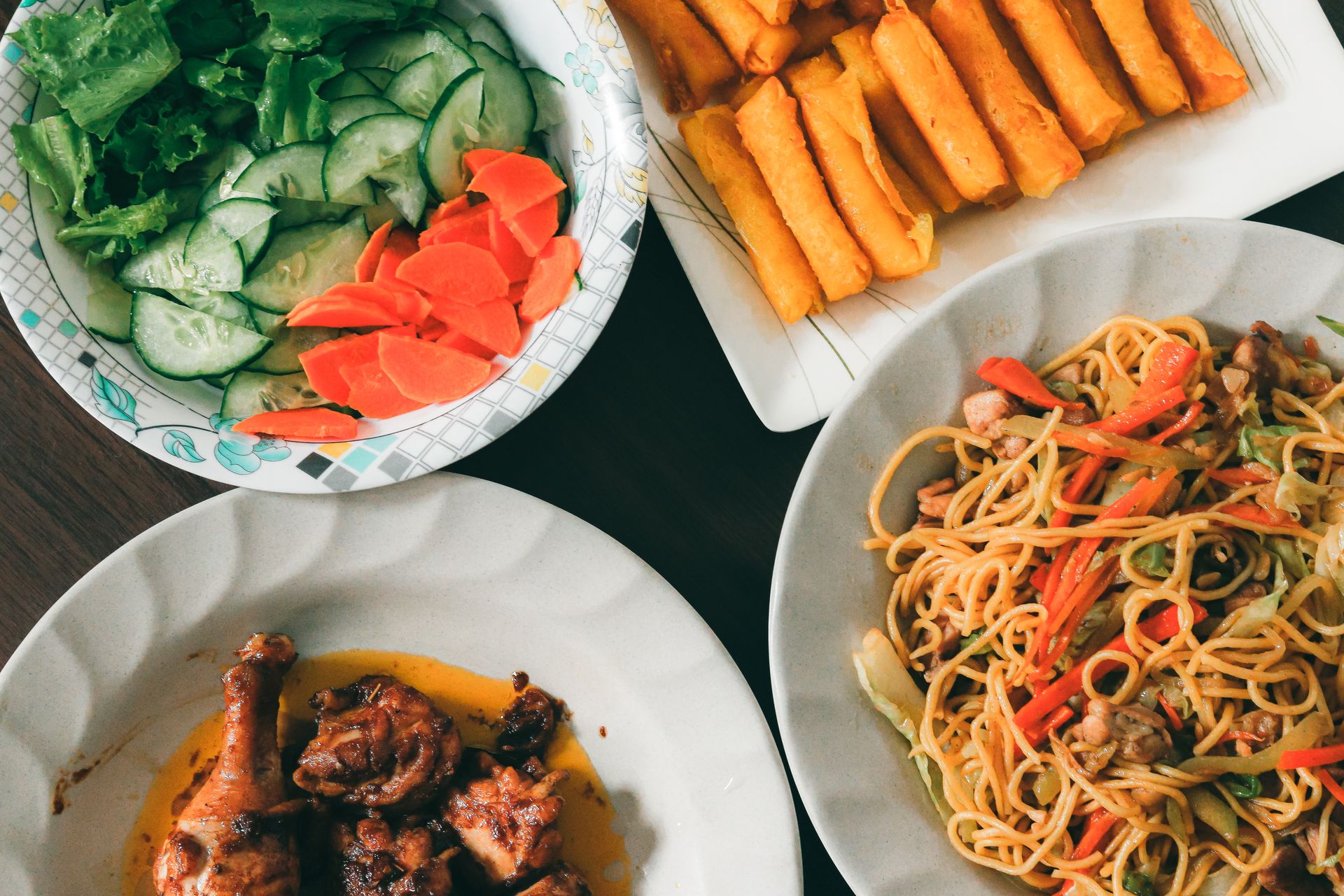
A balanced family meal plan rarely collapses because of bad recipes. It falls apart on an ordinary Tuesday, when the fridge holds half a cabbage and everyone is hungry. Parents don’t need another 200-recipe cookbook. They need a repeatable structure that survives soccer practice, late meetings, and picky eight-year-olds. The family nutrition guides at Momma Bears follow that same logic, and it holds up in real kitchens.
Three levers do most of the heavy lifting here. Themed weeknights shrink the grocery list. Batch-cooked base ingredients turn one cooking session into three dinners. Vegetable swaps, meanwhile, keep plates colorful without triggering a standoff at the table. Pull those together and dinner stops being a nightly negotiation.
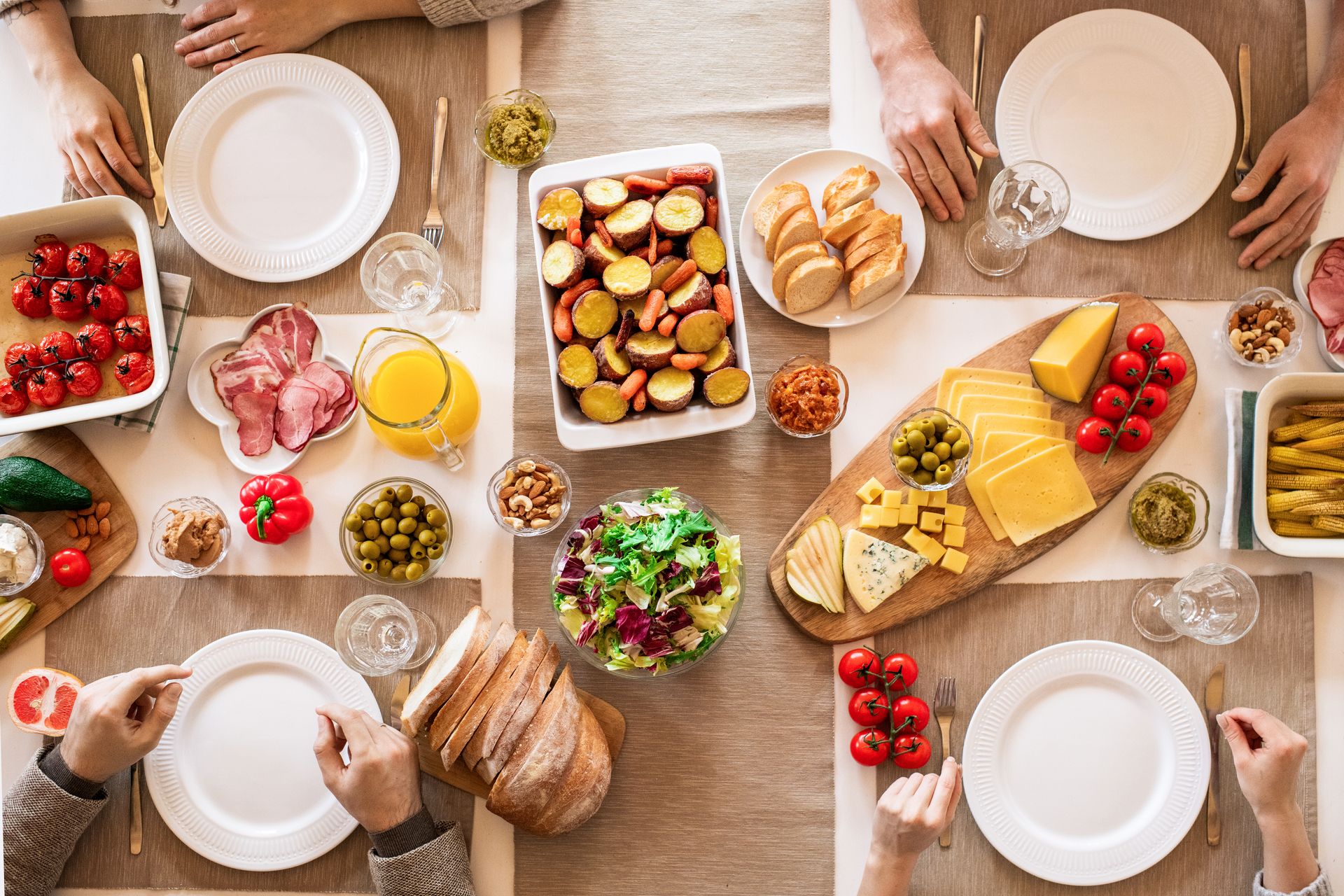
Themed Weeknights Simplify a Balanced Family Meal Plan
Assigning a theme to each weeknight sounds gimmicky until you actually try it. A theme narrows your shopping list without locking you into specific recipes. Moreover, it removes the dreaded “what’s for dinner” conversation before it starts. Kids learn the rhythm fast, which reduces the surprise factor they often resist.
A Seven-Night Rotation That Shops Itself
- Monday — meatless: beans, lentils, or eggs anchor the plate.
- Tuesday — tacos and wraps: any protein, any veg, one tortilla stack.
- Wednesday — pasta night: sauce plus a hidden vegetable puree.
- Thursday — sheet pan: protein and veg roasted on one tray.
- Friday — breakfast for dinner: eggs, whole-grain pancakes, fruit.
- Saturday — slow cooker: start it at noon, eat at six.
- Sunday — roast and reset: cook a big protein, reuse it all week.
Why Themes Outlast Rigid Menus
Rigid menus break the moment a kid gets sick or a work trip appears. Themes bend instead. You still get variety across the week, yet the shopping list stays predictable. Therefore, you buy carrots once and use them three ways rather than letting them rot in the crisper drawer.
One caution: keep each theme flexible by ingredient category rather than exact dishes. Pasta night allows pesto, marinara, or a tuna bake. Taco night allows beef, chicken, black beans, or fish.
Batch-Cook Neutral Bases, Build Three Dinners From One Pot
Most batch cooking advice fails because it produces the same meal four times. Nobody wants Tuesday’s chili again on Friday. A smarter route involves cooking neutral bases, then seasoning them differently at serving time. That one habit saves roughly two hours of weeknight cooking for families who track it.
Cook once, season twice, serve three ways. The base stays plain; the flavor changes at the table.
Five Bases Worth Making Every Sunday
- Shredded chicken or pulled pork, cooked plain in broth.
- Brown rice, quinoa, or another grain that reheats in minutes.
- Roasted vegetables, cut uniform so they warm evenly.
- A pot of beans or lentils, lightly salted only.
- A simple tomato sauce with no added sugar.
From those five items you can build taco bowls, pasta bakes, grain salads, quesadillas, and sheet-pan hash. Furthermore, each base freezes well, so a double batch buys you a future night off. Label every container with the date and the base name, because anonymous frozen blobs never get eaten.
Vegetable Swaps Inside a Balanced Family Meal Plan
Kids reject vegetables for texture as often as flavor. Steamed broccoli florets on a plate read as a chore. The same broccoli chopped small and folded into rice reads as dinner. Substitutions work best when the vegetable disappears into something the child already trusts.
- Cauliflower rice blended into mac and cheese sauce.
- Grated carrot or zucchini cooked into marinara.
- Pureed butternut squash stirred into queso or cheese soup.
- Baby spinach blitzed into pesto or a fruit smoothie.
- Mashed white beans thickening a creamy pasta sauce.
Presentation matters as much as the swap itself. Fold the puree in while the sauce simmers, so the color blends instead of streaking. Then taste before serving, since an overloaded sauce tastes vegetal no matter how cleverly you hid it.
The Texture Rule Parents Keep Forgetting
Roast vegetables until the edges caramelize, because sweetness develops in the browning. Serve them warm rather than lukewarm, since temperature shapes how kids register texture. Also, keep one raw option on the plate for the child who prefers crunch. These small adjustments raise acceptance rates without any bribery.
Assembling Your Balanced Family Meal Plan in About 20 Minutes
You don’t need a spreadsheet or a nutrition degree for this. A notebook page and a grocery list will do. The process below takes about twenty minutes on a Sunday and pays off all week long.
- Pick seven themes and write them down.
- Choose two batch bases from the five above.
- List three vegetables you’ll hide and two you’ll serve whole.
- Build the grocery list by aisle, not by recipe.
- Post the theme list where everyone can see it.
The Two-Week Reality Check
Give the system fourteen days before you judge it. Track which nights ran smoothly and which ones fell apart. Then adjust one variable, not five. Maybe taco night moves to Thursday because of practice schedules. Perhaps the family genuinely hates lentil Monday. Small tweaks compound, and within a month the whole routine feels automatic.
Waste is the quiet win in all of this. Families running a balanced family meal plan typically report tossing less produce, because ingredients get reused across meals instead of purchased for a single recipe. That savings often covers the cost of one extra batch-cook session each week. Nutrition improves too, since a rotating plate covers more food groups than a repeat of the same five dinners.
A balanced family meal plan is not about perfection or fancy cooking. It’s about reducing the number of decisions you make at 6 p.m. Themes handle the what. Batch bases handle the how. Vegetable swaps handle the standoffs. Together they turn dinner from a daily crisis into a background routine that simply runs.