
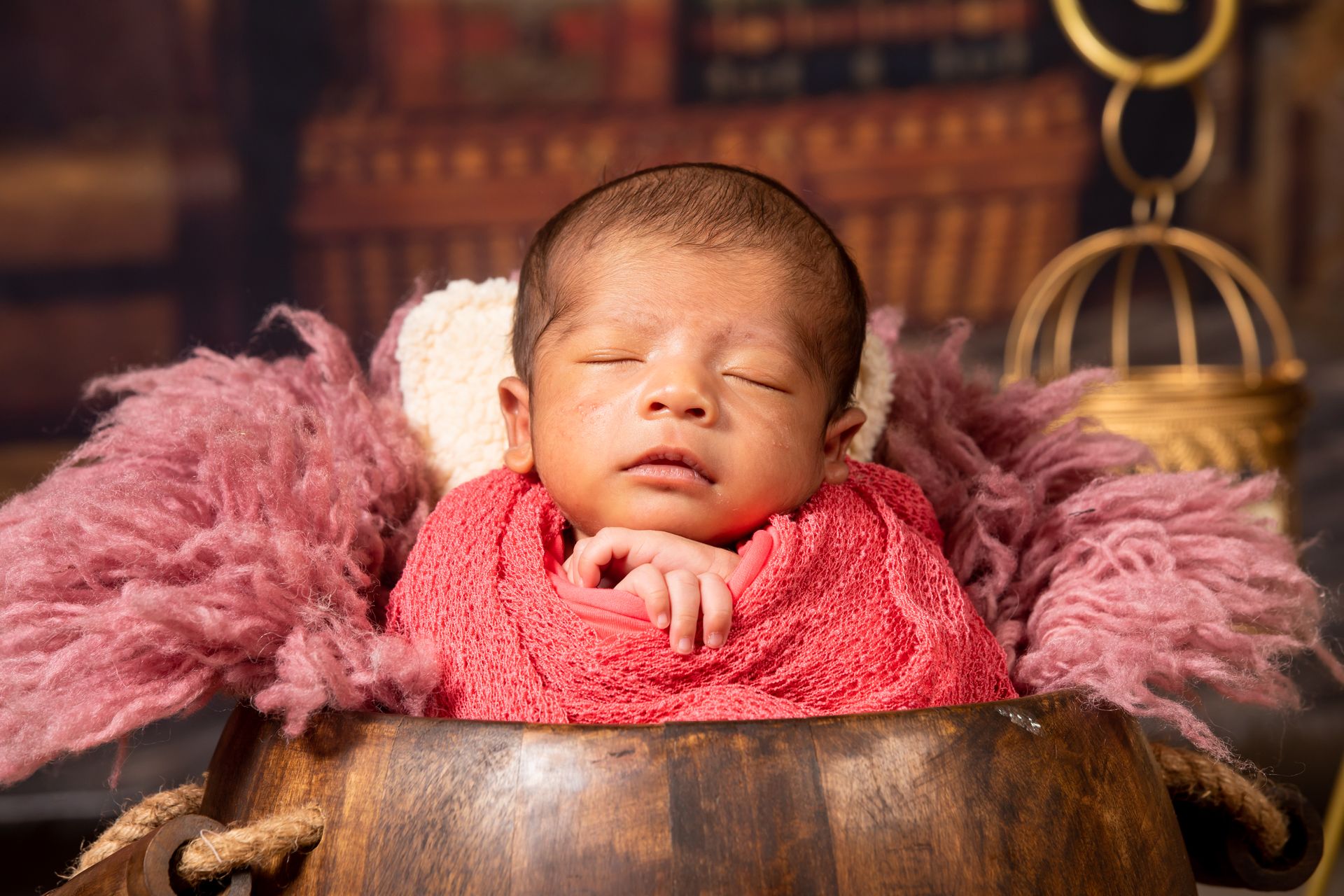
A newborn sleeps more than they wake during those first few months. That makes the sleep space one of the most important places in your home. Designing an infant safe sleep environment is less about shopping and more about subtraction. You remove pillows, bumpers, blankets, and anything soft. What remains is a firm mattress, a fitted sheet, and a baby lying on their back.
The rules are easy to recite and harder to hold at 3 a.m. Exhaustion makes shortcuts tempting, and a crying baby makes them almost irresistible. Therefore, write your plan down before the baby arrives. For hands-on gear checks and calm routine advice, the parent-tested guides at mommabears.org are worth bookmarking early.
What follows is the ABCs unpacked, plus temperature targets, crib rules, and fixes for the situations that trip up careful parents. Everything here reflects current guidance from pediatric bodies and consumer safety regulators.
The ABCs of an Infant Safe Sleep Environment
Alone. Back. Crib. Three short words, each carrying a full set of behaviors. Alone means no bed-sharing, even for a nap that “will only last ten minutes.” Back means every single sleep, including the ones that last four minutes. Crib means a firm, flat, dedicated surface with nothing loose inside it. Together they form the backbone of any infant safe sleep environment.
Alone: Same Room, Separate Surface
Room-sharing lowers risk. Bed-sharing does not. Keep the bassinet or crib within arm’s reach of your bed for at least the first six months, which makes night feeds easier and keeps the baby close. After feeding, return your baby to their own surface. Moreover, if you worry about falling asleep while feeding, nurse in a chair or set an alarm on your phone. A sofa or armchair is far more dangerous than a bed for a drowsy parent holding a newborn.
Back: Every Sleep, Every Time
Place your baby on their back for naps and nighttime sleep. Once a baby can roll both ways on their own, usually around five or six months, you can stop repositioning them. However, you should still start every sleep on the back. Swaddling helps with the early startle reflex. Yet stop swaddling the moment rolling begins, because a swaddled baby who rolls face-down cannot push back up.
Crib: Firm, Flat, and Fitted
The mattress should be firm enough that it does not dent under your hand. A fitted sheet made for that exact mattress is the only covering allowed inside the crib. Check for gaps between the mattress and the frame; a gap wider than two fingers is a hazard. Also, drop-side cribs have been banned in the United States since 2011, so retire any hand-me-down with a moving side rail.
The Empty Crib Rule: Boring Is the Goal
A crib styled for a catalog photo is a crib with hazards inside it. Keep the space plain. Soft objects trap exhaled air and raise the risk of suffocation and overheating.
- No loose blankets, quilts, or comforters
- No pillows, bumper pads, or crib liners
- No stuffed animals or plush toys
- No sleep positioners, wedges, or nests
- No weighted sleep sacks or weighted blankets
- No monitor cords or blind strings within reach
If your baby needs warmth, use a wearable blanket, often called a sleep sack, sized to their weight. Dress them in one more layer than you would wear yourself. Then check the back of the neck for sweat. Clammy skin means too many layers.
A crib should look unfinished. If it looks decorated, something in there does not belong.
Temperature and Airflow in an Infant Safe Sleep Environment
Overheating is linked to a higher risk of sleep-related death, and room temperature is the easiest variable to control. Aim for 68°F to 72°F (20°C to 22°C) while your baby sleeps. A small thermometer near the crib removes the guesswork, since nurseries near kitchens or west-facing windows run warmer than the rest of the house.
Air movement matters too. A ceiling fan or a low, indirect floor fan keeps air circulating without blowing straight onto the crib. Furthermore, skip the hat indoors after the first day or two, because a hat holds heat against a small head. Cool hands are normal. Check the chest or neck instead.
Sleep Sacks, TOG Ratings, and Seasonal Swaps
Sleep sack warmth is rated in TOG values. A 0.5 TOG suits warm rooms, 1.0 TOG covers most year-round nurseries, and 2.5 TOG fits cold winter nights. Pair the rating with a simple cotton onesie and you rarely need anything else. In summer, a short-sleeved bodysuit plus a light sack keeps a baby comfortable without loose fabric near the face.
Real Nursery Scenarios and the Fixes That Work
Scenario one: your five-month-old rolls onto their stomach mid-nap. Leave them there if they got there alone, and keep the crib empty so they can breathe freely. Scenario two: a grandparent insists that a light blanket is fine. Explain that the risk is not about weight or thickness, since any loose fabric can cover a face.
Scenario three: you are traveling and the hotel provides a portable crib with a soft mattress topper. Decline the topper. Ask for a firm mattress and a fitted sheet, or bring your own travel crib. Scenario four: your baby naps beautifully in a swing or a car seat. Those are not sleep surfaces for unsupervised naps, so move them to the crib once you are home.
A Two-Minute Nightly Check for an Infant Safe Sleep Environment
- Confirm the baby is on their back in their own sleep space.
- Sweep the crib with your hand for anything loose.
- Check the mattress is snug against all four sides.
- Feel the back of the neck for dampness or heat.
- Move monitor cords and blind strings out of reach.
- Set the room between 68°F and 72°F.
- Turn on a fan if the air feels still.
Two minutes of checking beats an hour of worry. Consistent routines also help babies settle faster, which means more sleep for everyone. Nothing about this setup requires a big budget or a designer nursery. It requires attention, and the willingness to keep the crib boring night after night.