
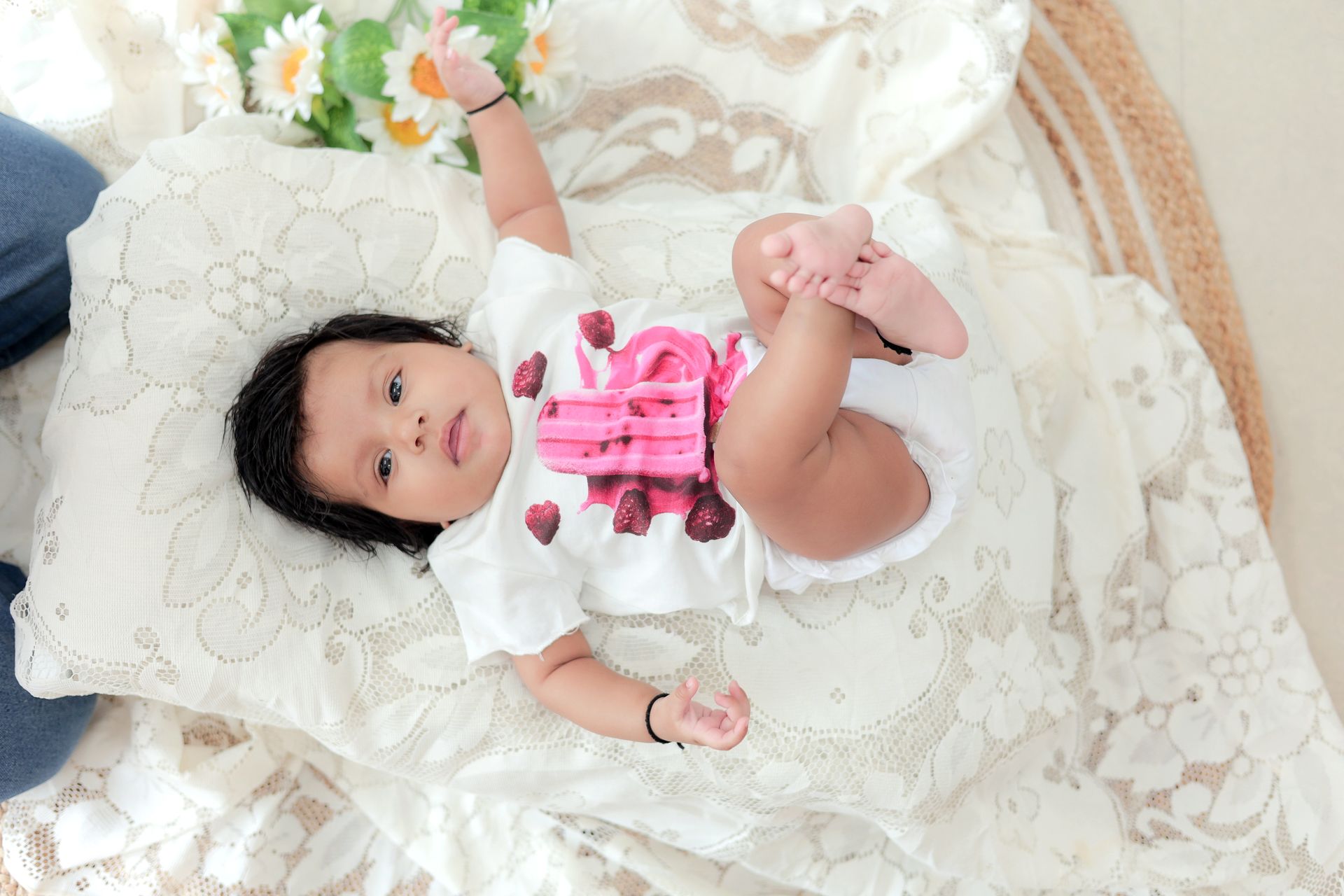
Why a Newborn Baby Checklist Beats Panic Shopping
Hospital bags get packed in a rush. Nursery shelves get filled with items nobody asked for. Meanwhile, a newborn baby checklist that actually works sits somewhere between a shopping list and a survival plan. When my sister had her first baby in early 2026, she owned four bottle warmers and zero spare crib sheets. That ratio tells you everything about how baby prep usually goes. Parents buy what looks cute and forget what gets used at 3 a.m. Start with the resources at mommabears.org if you want a calm framework instead of a marketing-driven one.
Safety Gear Earns the Top Slot on Any Newborn Baby Checklist
Every other purchase can wait. Safety items cannot. A crib, a car seat, and a firm sleep surface form the backbone of your setup, and they deserve the first hour of your planning time. Skip this order and you will spend the final weeks of pregnancy returning things.
Cribs, Bassinets, and the Mattress Rule
Choose a crib or bassinet that meets current safety standards, which in 2026 means fixed sides, no drop rails, and slats spaced no more than 2 3/8 inches apart. The mattress must fit snugly — the two-finger gap test is not optional. Moreover, avoid any crib with a decorative cutout or a corner post taller than 1/16 inch. Those features look charming online but violate safe sleep guidelines. Buy fitted sheets first, since you will wash them constantly. Two or three spares beat one fancy quilt that never leaves the closet.
Car Seats You Can Install While Half-Asleep
The best car seat is the one you can install correctly at night, in the rain, without swearing. Rear-facing infant seats with a base tend to win that contest. However, convertible seats last longer and cost less per year of use. Check the height and weight limits before buying, because a seat your baby outgrows in five months is money wasted. Also, schedule a free inspection with a certified technician before your due date. Most fire stations and hospitals offer this, and the appointment takes twenty minutes.
The Diaper and Wipe Math Most Parents Skip
Newborns are diaper machines. Expect ten to twelve changes per day during the first month, which lands near 300 diapers monthly. Therefore, a two-week supply equals roughly 150 to 170 diapers. Wipes follow a similar curve, with about one to three per change, so figure 400 wipes per fortnight. Buy newborn size sparingly. Many babies outgrow it within three weeks, and unopened boxes are easier to exchange than opened ones.
Two Weeks of Real Numbers
- Diapers: 150-170 newborn size, then size 1 in bulk
- Wipes: 3-4 packs of 80, fragrance-free
- Diaper cream: one tube of zinc oxide
- Changing pad covers: two, plus a waterproof liner
That list costs far less than the average baby shower registry suggests. It also fits on a single closet shelf.
Single-Use Gadgets That Quietly Drain Your Budget
Some products solve problems you will never have. A wipe warmer dries out wipes and grows bacteria. Bottle sterilizers duplicate what a dishwasher already does. Dedicated baby-food blenders sit unused once purees end, which happens fast. Likewise, newborn shoe organizers, app-connected wipe dispensers, and projector crib mobiles all land in the donation pile by month four. None of them harm your baby. They simply consume money, shelf space, and the mental bandwidth you need for actual care.
Build Your Newborn Baby Checklist in the Right Order
- Safety first: crib, mattress, car seat, smoke and carbon monoxide detectors.
- Feeding: bottles, pump if needed, burp cloths, and a nursing pillow.
- Sleep: fitted sheets, sleep sacks, blackout curtains, white noise machine.
- Diapering: the math above, plus a portable changing mat for outings.
- Clothing: eight to ten onesies, four sleepers, socks, two hats.
- Health: thermometer, nail clippers, saline drops, infant acetaminophen (ask your pediatrician first).
- Recovery for you: pads, peri bottle, comfortable robe, snacks within arm’s reach.
Notice what is missing from that sequence. Decorations, themed bedding, and matching nursery sets come last, if they come at all. Your baby will not remember the wall art. You will remember whether the diaper station was stocked at 2 a.m.
Where Parents Overspend and How to Stop
Baby registries nudge you toward volume. Stores profit when you buy twelve of everything, and the pressure peaks in the third trimester. However, a smarter approach is to buy the minimum, test it, and add only what you genuinely miss. Borrow a bassinet. Accept hand-me-down clothes. Rent a breast pump if your insurance does not cover one. Meanwhile, put the saved money into a fund for childcare or a college account. That choice pays off longer than any gadget on the shelf.
Prepping the Newborn Baby Checklist Without Losing Sleep
Break the work into three weekends. Weekend one handles safety gear and the car seat inspection. Weekend two covers feeding, sleep, and diapering supplies. Weekend three is for clothing, the hospital bag, and freezer meals. Spread it out and the task stays manageable. Cram it into one frantic Saturday and you will order things you never needed. Also, keep a running note on your phone for the small stuff — nail clippers, a night light, extra phone chargers for the hospital.
One Last Walkthrough Before the Door Opens
Test every device. Install the car seat base, then check it again. Wash the sheets and sleep sacks in fragrance-free detergent. Charge the baby monitor and the sound machine. Finally, write your pediatrician’s number somewhere that does not depend on a charged phone. A newborn baby checklist is not about owning more. It is about knowing exactly where things are when you are too tired to think. Prepare the basics well, and the rest of the year gets easier.