
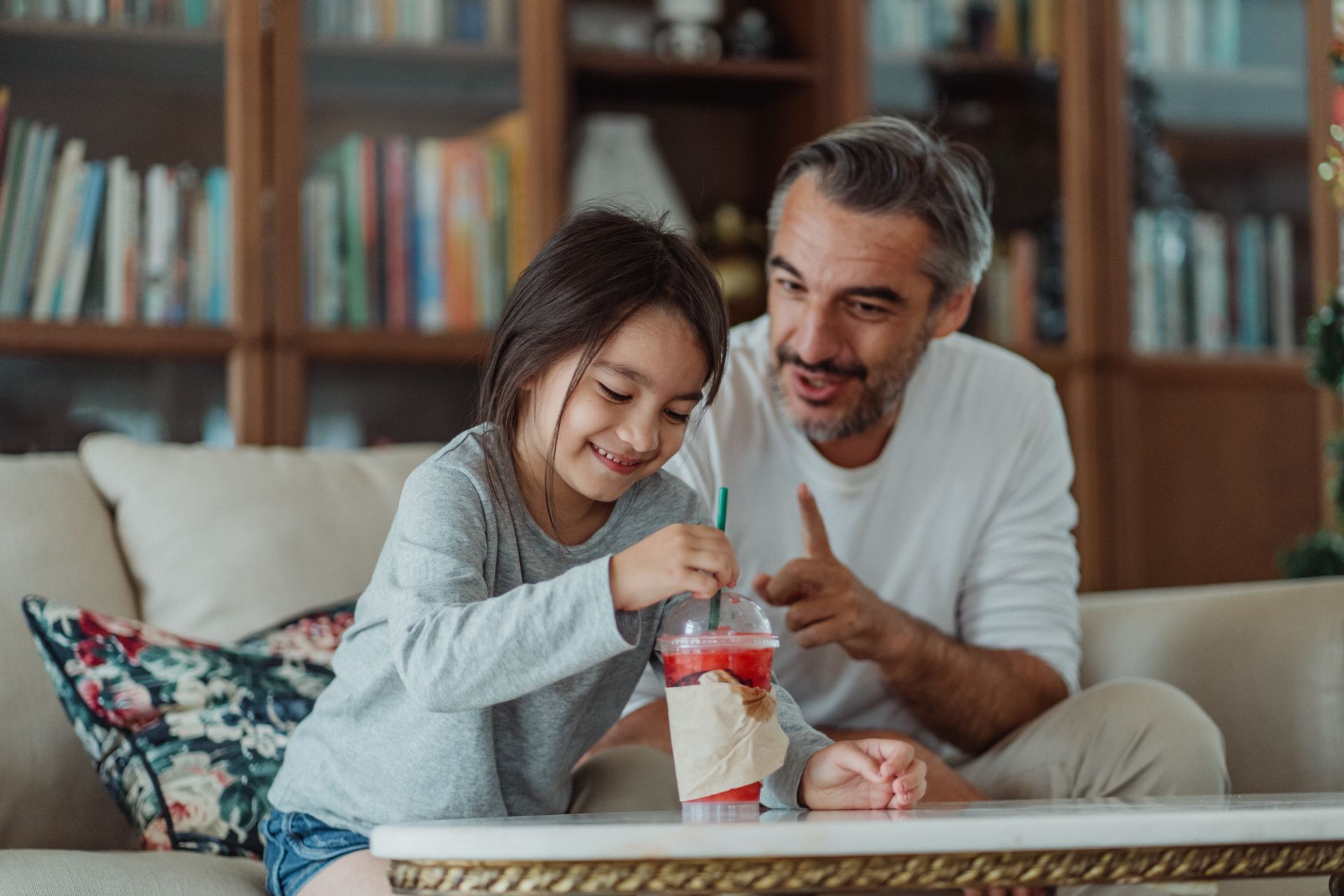
Every parent knows the scene. You fill a cup, hand it over, and twenty minutes later it sits on the counter, warm and untouched. Meanwhile your child swears they are not thirsty. They are, of course. Children simply forget to drink, and their thirst signals are quieter than ours. Therefore, helping kids drink more water becomes a design problem, not a discipline problem.
Small tweaks around the kitchen and the backpack do most of the work. Family wellness writers at Momma Bears keep returning to the same point: hydration sticks when it feels like play. That shift changes everything.
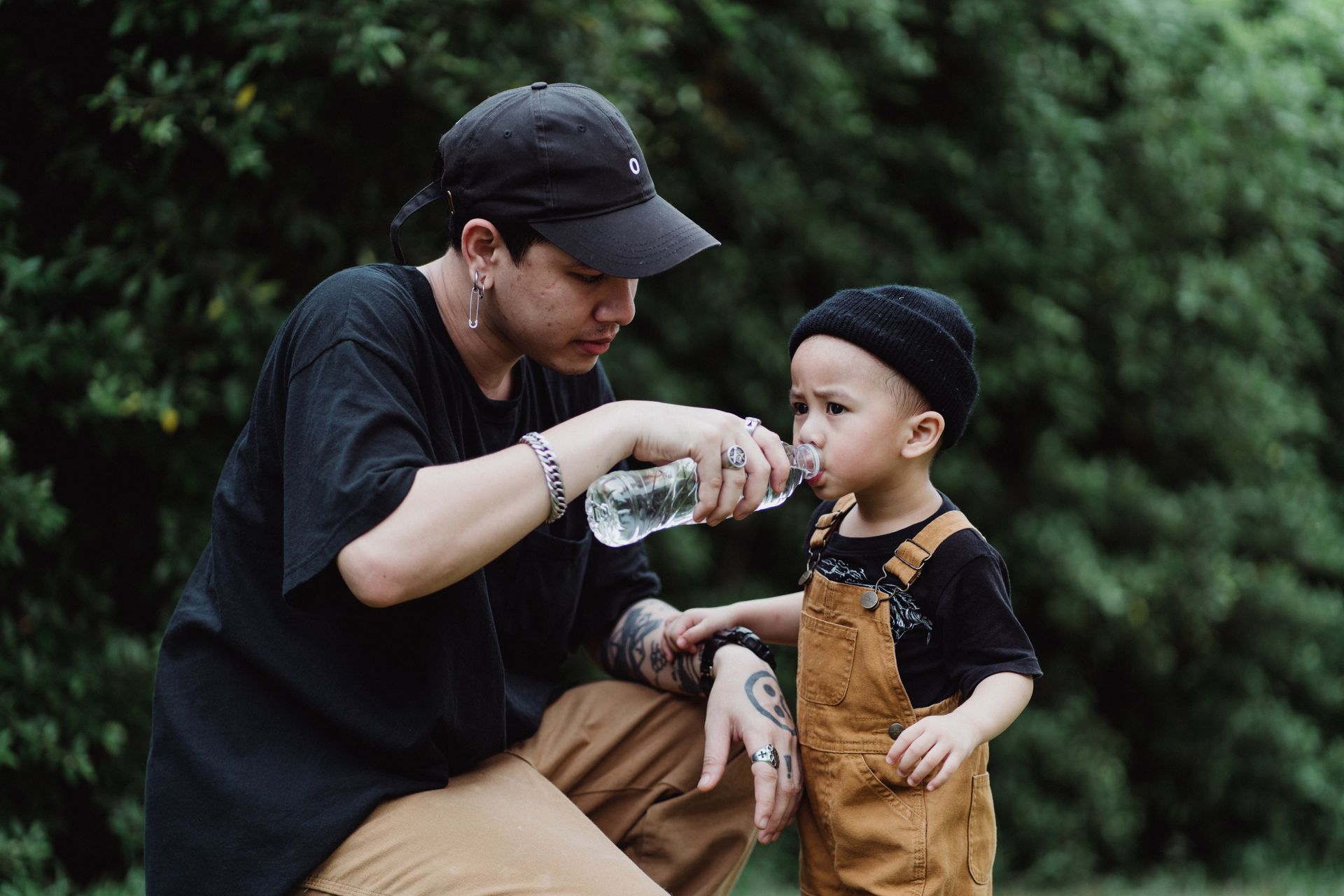
Make Hydration Feel Like a Game, Not a Chore
Bribing a child with candy works once. Building a ritual works for years. Moreover, kids respond to color, novelty, and ownership far more than they respond to lectures about kidneys.
Colorful Cups and Fruity Ice Cubes
Let your child pick their own bottle at the store. A bright, silly, slightly ridiculous bottle they chose themselves gets used twice as often as the grey one you bought. Add a pack of reusable straws, because many kids drink more when sipping feels fun.
Flavor counts too. Infused water turns a boring glass into a treat:
- Strawberry and mint (the classic starter combo)
- Cucumber and lemon (surprisingly popular with toddlers)
- Orange slices with a cinnamon stick (tastes like a holiday drink)
- Frozen blueberries used as “ice rocks”
- Watermelon cubes that slowly tint the whole pitcher pink
Freeze fruit in an ice tray the night before, then drop the cubes into plain water at breakfast. Suddenly the drink is pink, cold, and a little magical. However, skip sugary syrups and powdered mixes. Those train kids to expect sweetness in every single sip.
Water Taste Tests and Family Judges
Run a Saturday taste test. Line up four glasses, each with a different fruit infusion, and score them like a cooking show. This works because kids love being the judge. It also gets them to drink four small glasses in one sitting without noticing.
Set Checkpoints So Kids Drink More Water Automatically
Memory is unreliable at age six. Checkpoints, by contrast, attach drinking to events that already happen every day. That way nobody has to remember anything.
- Wake-up glass: one full cup before breakfast, while teeth are being brushed.
- Backpack bottle: filled and half-frozen overnight so it stays cold through lunch.
- After-school refill: the bottle must be empty before screen time begins.
- Practice or playground break: a few big gulps every time the coach blows the whistle.
- Bath-and-bed sip: a small cup during stories, which also calms the wind-down.
Five checkpoints might sound like a lot, yet most of them take seconds. A sticker chart for the first two weeks can help, and then the routine carries itself. Meanwhile, keep the bottle in sight, because out of sight really does mean out of mind for young children.
Many schools in 2026 have refill stations in hallways, so a 500ml bottle can be topped up between classes. Ask your child’s teacher about the policy before term starts. Knowing the rules prevents a bottle from sitting untouched in a locker all day.
“The kids who stay hydrated are rarely the ones with the strictest parents. They are the ones whose water bottle is always within arm’s reach.”
How Much Water Does a Child Actually Need?
Exact numbers vary by age, weight, activity, and climate, so treat any chart as a rough map. As a general guide, many four- to eight-year-olds do well with about five cups of fluid daily, including milk and soup. Older kids need more, especially on hot days or during sports.
Watch for practical signals instead of counting every ounce. Dark yellow urine, headaches after school, and crankiness on warm afternoons often point to simple dehydration. Therefore, offer water first and see whether the mood shifts within twenty minutes.
Model the Habit: Parents Who Sip Raise Kids Drink More Water
Children copy what they see, not what they hear. If you sip from a travel mug all day and call it coffee, they learn that grown-up drinks come from mugs. Keep a visible glass of water beside you instead.
Try a few modeling moves:
- Announce your own water break out loud: “I’m thirsty, I’m getting water.”
- Drink from the same pitcher your child uses.
- Toast each other at dinner with water glasses — clinking is weirdly motivating.
- Refill together after every meal.
Honestly, this is the part most parents skip. Moreover, it is the part that lasts longest, because habits learned by imitation survive long after the sticker chart ends. These small rituals help kids drink more water far more reliably than reminders do.
Handling the Child Who Says “I’m Not Thirsty”
Some kids resist simply because they enjoy winning arguments. With those children, remove the negotiation. Put the cup down, walk away, and let curiosity do the work. A no-pressure approach often beats ten reminders.
Other children need a physical cue. Give them a small bottle they can finish in a few swallows, because big bottles feel like homework. Still others respond to tracking, so a simple tally drawn on the bottle in permanent marker turns drinking into a game of progress.
If your child drinks plenty of milk and eats watery fruit like watermelon, grapes, and oranges, they may already be close to their needs. In that case, focus on the routine rather than the volume. Hydration is a long game, and no single glass decides it.
A Realistic Week in the Life
Monday: a new bottle gets picked out and named. Tuesday: fruit ice cubes go in the tray. Wednesday: the taste test crowns a winner. Thursday: checkpoints start and the sticker chart goes up. Friday: you drink from a glass at every meal, loudly. Saturday: soccer practice with a half-frozen bottle. Sunday: a refill station set up at kid height, cups stacked where small hands can reach.
By the second week, most families notice two things. Water cups come back empty more often, and the nagging fades. Neither happens overnight, and that is fine. Consistency, not perfection, is what helps kids drink more water on their own.