
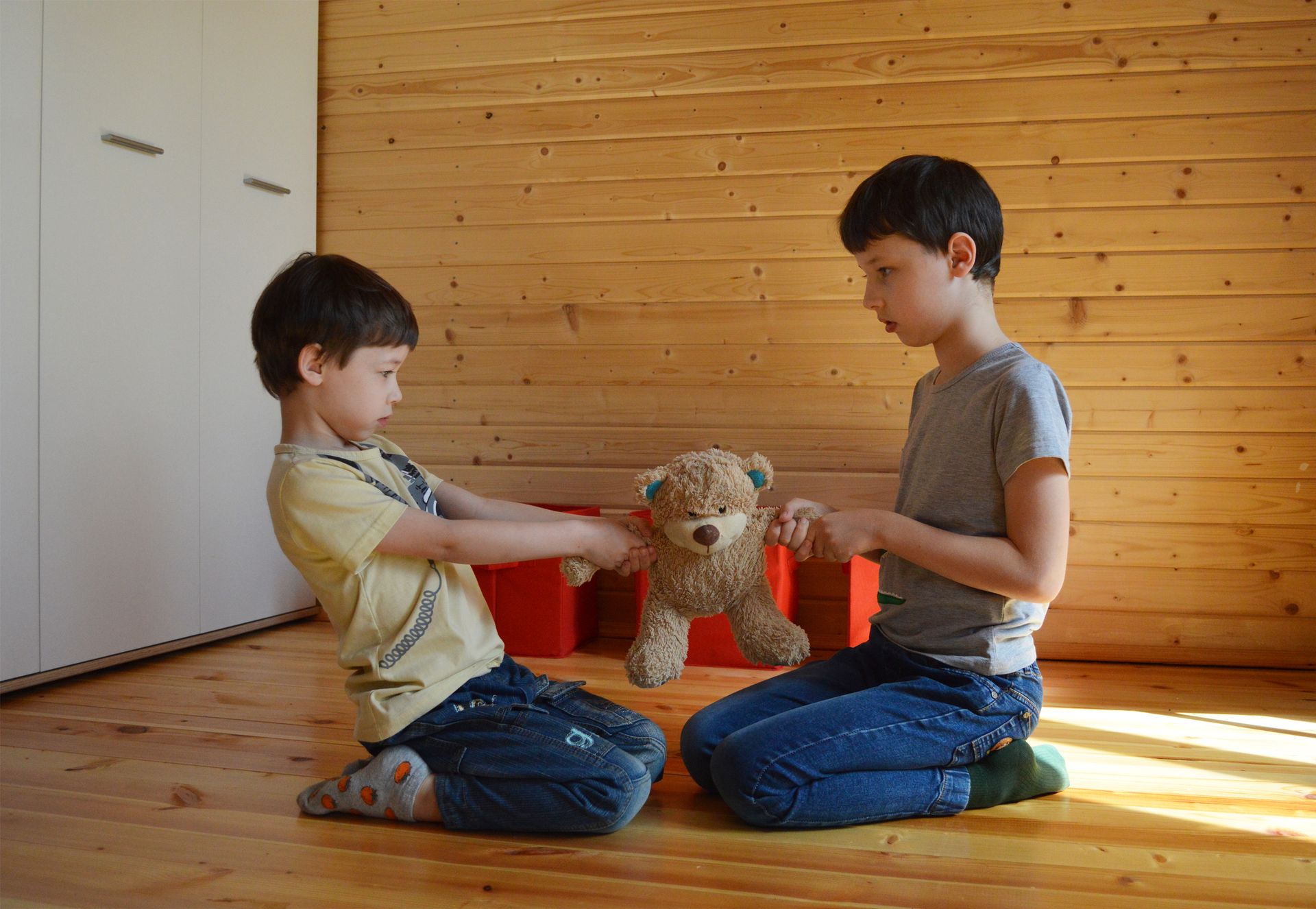
Sibling arguments rarely arrive at a convenient moment. They erupt over a blue cup, a stolen charger, or who breathed too loudly during a movie. Learning how to manage sibling arguments is less about silencing the noise and more about building lifelong skills. Moreover, family dynamics matter far more than who technically started it.
Parents feel pressure to solve everything fast. That urgency usually backfires. When you rush in with a verdict, kids learn to compete for your approval instead of working things out. If you want grounded scripts for real-life chaos, mommabears.org is a practical starting point for everyday parenting.

Why Sibling Arguments Aren’t a Parenting Failure
Conflict between children is normal. Kids who never argue are not automatically healthier; they may simply be avoiding each other. Furthermore, arguments are practice sessions for negotiation, apology, and repair. Your job is not to eliminate friction, therefore, but to coach through it.
A quiet house is not the same as a peaceful one. Some of the most “well-behaved” kids are quietly resentful underneath. Therefore, aim for repair rather than instant calm. Ask yourself what skill your child needs right now. Do they need words for frustration? Do they need space? Maybe they need help listening without interrupting.
Coaching Kids to Manage Sibling Arguments With “I Feel” Statements
Kids resist scripted language when it sounds forced. However, a simple frame works better than a lecture. Teach three parts: I feel ___, when you ___, and I need ___. This gives children structure without turning them into tiny therapists.
- “I feel frustrated when you take my things without asking. I need you to knock first.”
- “I feel left out when you two make plans without me. I need a turn to choose the game.”
- “I feel angry when you copy everything I say. I need you to stop.”
Notice how each example names an emotion and a need. There is no blame baked into the formula. Consequently, the listener is far less likely to fire back with an insult. Practice these lines during calm moments, not mid-scream. Rehearsal is what makes them automatic when tempers finally flare.
How To Manage Sibling Arguments Without Becoming the Judge
The fastest way to turn your living room into a courtroom is to rule on every dispute. One child wins. Another child seethes. Both learn that justice comes from above rather than from each other. Stepping off that bench takes practice, especially when someone is sobbing loudly.
Replace verdicts with questions. Ask what happened first, what each person needs, and what would fix it. These questions shift responsibility back to the kids. You remain present and supervising, which keeps things safe. However, you are no longer the only source of answers in the room.
Sometimes you do have to decide. Safety issues, repeated cruelty, and property damage require adult authority. In those moments, be clear and brief. State the rule, state the consequence, and move on. Avoid long lectures, because they dilute the message and invite negotiation.
Separate Them Before You Mediate
Trying to talk two heated kids into resolution is like reasoning with a smoke alarm. Their nervous systems are already flooded. Therefore, split them up first. Send one to the kitchen and the other to the hallway. Ten minutes apart often does more good than ten minutes of talking.
Separating first also changes how you manage sibling arguments as the adult. It buys you time to think instead of react. Once everyone is calmer, mediation becomes possible. Then, and only then, does the conversation have a real chance.
- Separate them without assigning blame.
- Give each child a quiet task or space.
- Wait at least ten minutes before talking.
- Bring them back when voices are steady.
- Let each person share their version uninterrupted.
Family Dynamics That Reward the Loudest Voice
Some homes accidentally train kids to yell louder. The child who shouts first often gets the attention. Meanwhile, the quieter sibling learns to withdraw and stop asking. That pattern can follow them for decades, shaping how they handle conflict at work and in love.
To break the cycle, notice who gets served first. Ask whether your mediation style favors volume or fairness. You may need to slow down and invite the quiet child to speak. Silence is not agreement, and it is certainly not peace.
Siblings also compete for scarce resources, and attention is the scarcest of all. A new baby, a school project, or a sick pet can shift the balance overnight. Consequently, rivalry spikes during change, not because your kids are difficult but because the ground moved under them.
Repair Matters More Than the Verdict
Every argument ends eventually. What lingers is the aftermath. Did anyone apologize? Did anyone feel heard? Kids remember whether their parent took their side or took their feelings seriously.
“Conflict is not the opposite of closeness. Unrepaired conflict is.”
Encourage a small repair gesture instead of a forced apology. A genuine “I’m sorry I grabbed it” beats a sullen “sorry” mumbled under duress. Furthermore, let kids choose how to make amends. Ownership matters more than perfect wording.
Timing matters too. A forced apology delivered five seconds after the scream teaches nothing at all. Give everyone twenty minutes, then circle back. Kids who cool down first usually apologize more sincerely.
Building Habits That Outlast the Tantrum
Consistency does the heavy lifting here. If you coach “I feel” statements once a month, nothing sticks. If you use them weekly, they become the family’s default language. Similarly, cool-down breaks should feel routine rather than punitive.
Model the same tools yourself. Say, “I feel overwhelmed when you both talk at once. I need two minutes.” Your kids watch how you handle frustration far more than they listen to your instructions.
Expect setbacks. Some days you will referee. Some days you will yell. On those days, repair with your kids and try again tomorrow. Managing sibling arguments is a long game, measured in months rather than in single moments.
The goal was never a house without conflict. It is a house where conflict gets handled well. Teach the words, skip the verdicts, and separate before you mediate. Do that often enough, and your kids will carry the skill long after they stop arguing over blue cups.