
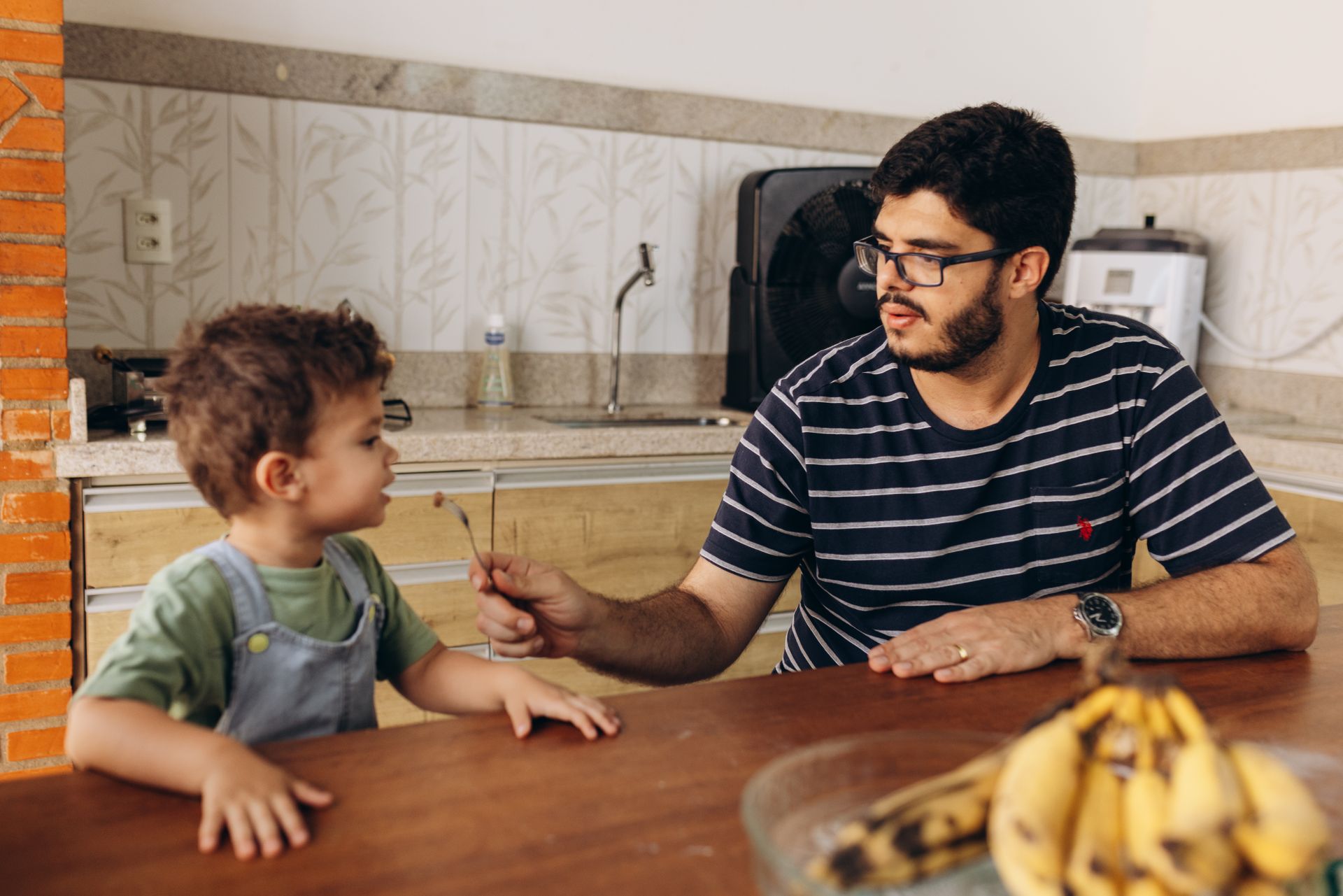
Some mornings fall apart before breakfast. A toddler refuses her shoes. A six-year-old sobs because the blue cup is dirty. Suddenly you are negotiating with a small person who has zero interest in your schedule. Positive discipline tips won’t erase those moments, yet they change what happens after them. Instead of a standoff, you get a path forward. That shift is exactly what the community at Mommabears was built for, and it’s what this guide unpacks.
Three habits carry most of the weight. First, let natural consequences teach instead of inventing punishments. Second, describe the behavior you want without labeling the child. Third, hand over a “do” instruction rather than a “don’t” command. None of these require special training or a laminated chart. However, each one takes repetition, and repetition is where most parents quietly give up.

Why Natural Consequences Beat Arbitrary Punishments
Arbitrary punishments feel efficient in the moment. Take away the tablet for a week, and the behavior stops. Unfortunately, it stops for reasons a child can’t connect to anything real. A natural consequence, by contrast, flows directly from the choice. Forget the lunchbox and lunch gets boring. Leave the rain boots at school and feet get wet. The lesson lands because the world delivers it, not you.
Moreover, natural consequences protect the relationship. You stop being the enforcer who invents penalties and become the guide who explains what happened. Kids argue with referees. They rarely argue with soaked socks.
A Gray Tuesday, Played Out Twice
Picture two versions of the same morning. In version one, your nine-year-old ignores three reminders to pack her gym bag. You snap, ground her from screens, and spend the drive to school in silence. In version two, you say once, “Gym is at ten.” She forgets.
At school she sits out. That afternoon she packs the bag before dinner, unprompted. Nothing in version two is dramatic. It is simply more effective, and it costs you far less energy.
Natural consequences have limits, and honesty matters here. Safety overrides everything. You don’t let a four-year-old learn about traffic by wandering into it. Similarly, some consequences arrive too late or too harshly to teach anything useful. In those cases, you step in and explain the reasoning out loud.
Aim at the Behavior, Not the Child’s Character
Words like “lazy,” “selfish,” and “dramatic” stick longer than any time-out. A child who hears them often enough starts believing them, and belief hardens into identity. Therefore, describe what you see instead of who you think they are. “The toys are still on the floor” invites action. “You’re so messy” invites shame.
This distinction sounds small. It isn’t. Behavior is temporary and changeable. Character labels feel permanent, and kids defend permanent identities rather than revising them.
Phrase Swaps That Soften the Moment
- “You’re being rude” becomes “That tone hurts my ears. Try again.”
- “Stop being lazy” becomes “The dishes are waiting on the counter.”
- “You always forget” becomes “This is the second forgotten folder this week.”
- “Don’t be a baby” becomes “You’re big enough to buckle your own seatbelt.”
Notice how each rewrite points at an action. None of them attack the person. That single change lowers the temperature in the room, and a cooler room is a room where cooperation becomes possible.
Positive Discipline Tips That Turn “Don’t” Into “Do”
Brains process images, not negations. Tell a child “don’t run” and the picture in their head is running. Tell them “walk” and the picture matches your wish. Hence the practical rule: give the instruction you actually want followed. It sounds almost too simple to matter, which is why parents skip it.
Effective do-instructions share a few traits. They are specific, doable right now, and stated once. “Walk beside me” beats “be careful.” “Put the blocks in the bin” beats “clean up this mess.” Vague requests invite negotiation, and negotiation at bedtime never ends well.
The Two-Step Redirect
- Name what’s happening without blame: “You’re throwing sand.”
- State the do: “Keep the sand low, or move to the grass.”
- Offer the choice once, then follow through calmly.
Follow-through is the part that builds trust. Kids learn quickly which adults mean what they say. When you redirect the same way every time, the instruction stops being a debate and becomes a fact of the day.
“Children don’t need perfect parents. They need predictable ones.”
When Positive Discipline Tips Need a Backup Plan
Some days, no strategy survives contact with a tired child. That is normal, and it isn’t failure. On those days, drop the teaching goal and protect the connection instead. Sit on the floor. Say less. Repair later, once everyone’s nervous system has settled.
Repair is where the real learning happens, anyway. A short apology — “I yelled. That wasn’t okay. Let’s try again” — models exactly the behavior you’re asking your child to practice. Consequently, your worst moments can still become lessons.
Consistency Without Perfection
Most positive discipline tips share one trait. They are built for bad days, not good ones. Consistency doesn’t mean never losing your temper. It means returning to the same three tools after you do. Natural consequences, behavior-focused language, and do-instructions work because they repeat, not because they’re executed flawlessly. Moreover, a parent who repairs is a better teacher than one who never stumbles.
Where These Small Shifts Lead
Start with one habit this week. Pick the do-instruction, since it’s the easiest to notice and the fastest to feel. Track it for seven days. You’ll likely find that fewer commands turn into fewer conflicts, and fewer conflicts leave room for the good stuff — the jokes, the questions, the long bedtime chats that run past lights-out.
Positive discipline tips aren’t a script for producing compliant children. They’re a way of staying steady while your kid learns how to be a person. Some days that looks like magic. Most days it looks like walking to the car, calmly, for the fourth time.