-
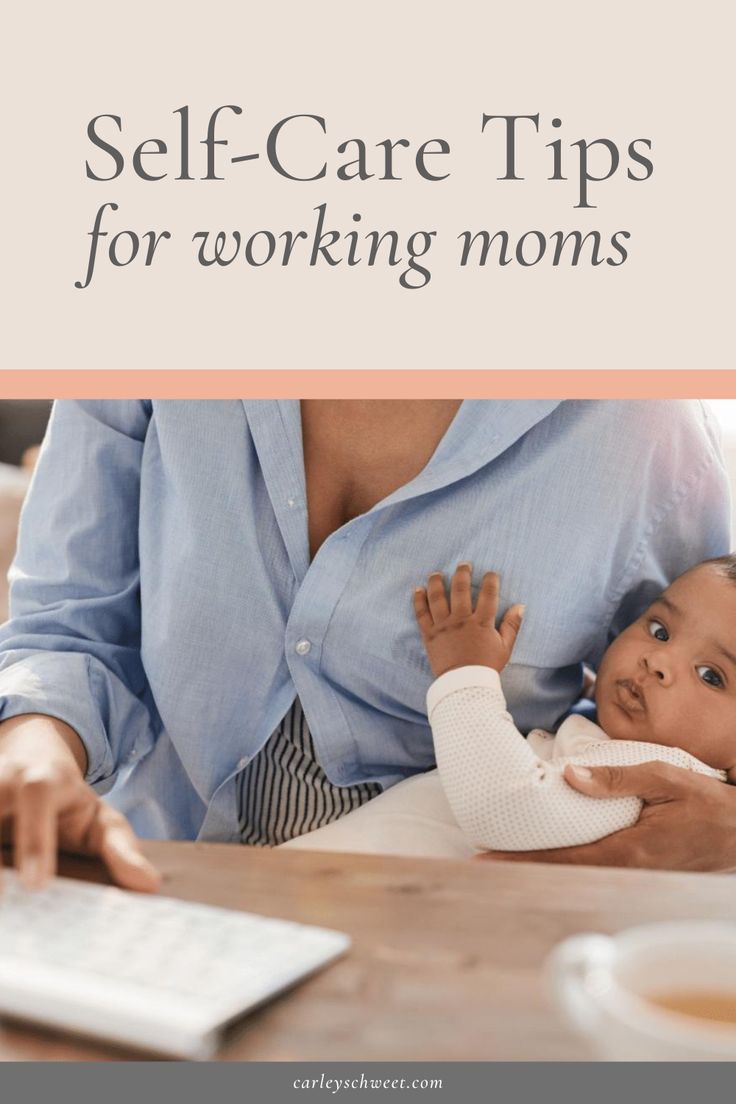
Self-care tips can make the transition into motherhood feel more manageable. Caring for a newborn often means putting your own needs last, but your well-being matters too. When you look after your body, emotions, and mental energy, you create a stronger foundation for caring for your baby. Self-care does not require hours at a spa or a complicated routine. Instead, small and realistic habits can make a meaningful difference during this demanding stage.
Why Self-Care Matters After Birth
The early weeks after childbirth can bring excitement, exhaustion, uncertainty, and major lifestyle changes. Your body needs time to recover, while your daily schedule may revolve around feeding, changing, soothing, and settling your baby.
Therefore, make room for basic needs whenever possible. Eat nourishing meals, drink enough water, sleep when you can, and give yourself permission to slow down. These simple choices can support your energy and help you handle everyday challenges more effectively.
Give Yourself Realistic Expectations
New mothers sometimes feel pressure to do everything perfectly. However, motherhood does not require perfection. Your home may become untidy, meals may become simpler, and some plans may need to wait.
Try to focus on what matters most each day:
-
Caring for your baby look for small opportunities throughout the day. Instead of waiting for a long period of uninterrupted sleep, use
-
Eating and staying hydrated
-
Getting enough rest
-
Maintaining personal hygiene
-
Taking short breaks
-
Accepting practical help
Build Small Moments of Rest
Rest can feel impossible when your baby needs frequent attention. Nevertheless, you can look for small opportunities throughout the day. Instead of waiting for a long period of uninterrupted sleep, use brief pauses to recharge.
For example, sit quietly with a warm drink while your baby sleeps. Take a few slow breaths before getting out of bed. If someone trustworthy can watch the baby, use that time to rest rather than immediately tackling household options within reach, especially during busy periods. Yogurt, fruit, nuts, eggs, sandwiches, soups, and prepared meals can reduce the pressure to cook elaborate dishes when emotions become difficult to manage. A partner, friend, relative, counselor, doctor, or other qualified specific tasks. For instance, ask them to prepare dinner, wash dishes, buy groceries, hold the baby while you shower chores.
These small pauses may not replace proper sleep, but they can provide valuable mental relief.
Nourish Your Body
Your body needs consistent nourishment while recovering from pregnancy and childbirth. Choose convenient foods that provide protein, fiber, healthy fats, vitamins, and carbohydrates.
Keep easy options within reach, especially during busy periods. Yogurt, fruit, nuts, eggs, sandwiches, soups, and prepared meals can reduce the pressure to cook elaborate dishes.
Hydration matters as well. Keep a water bottle near your usual feeding or resting spot so drinking water becomes easier to remember.
Make Movement Gentle
Movement can support your mood and help you reconnect with your body, but you do not need to rush into an intense exercise routine. Follow your healthcare professional’s guidance regarding postpartum recovery and gradually return to physical activity when appropriate.
A gentle walk, stretching, or simple mobility exercises may become enjoyable ways to move. Most importantly, listen to your body and avoid comparing your recovery with someone else’s.
Protect Your Mental and Emotional Well-Being
Motherhood can bring complicated emotions. You might feel grateful and overwhelmed at the same time. You might also experience frustration, sadness, anxiety, or guilt.
Talk openly with someone you trust when emotions become difficult to manage. A partner, friend, relative, counselor, doctor, or other qualified professional can provide support.
Also, remember that seeking help does not make you a bad mother. In fact, recognizing when you need support demonstrates self-awareness and strength.

Self-Care Tips for New Mothers Accept Help Without Guilt
Many mothers hesitate to ask for assistance because they believe they should handle everything themselves. Yet practical support can create much-needed breathing room.
When someone offers help, consider accepting specific tasks. For instance, ask them to prepare dinner, wash dishes, buy groceries, hold the baby while you shower, or handle laundry.
You can also create a short list of useful tasks so loved ones know physical changes after childbirth require professional attention. If you experience persistent sadness, severe anxiety, frightening thoughts, difficulty functioning, or other concerning symptoms, contact mothers deserve care too. By protecting your energy, accepting support, and responding kindly to your own needs, you can navigate early motherhood with greater confidence and resilience. Start small, stay flexible, and give yourself the exactly how they can contribute.
Create a Simple Personal Routine
A complicated routine may become another source of pressure. Instead, choose a few manageable habits that make you feel cared for.
Your routine might include:
-
Taking a shower each morning or evening
-
Changing into comfortable clothes
-
Spending ten quiet minutes alone
-
Reading a few pages of a book
-
Listening to calming music
-
Calling a supportive friend
-
Getting outside for fresh air
The goal is not to complete every activity every day. Rather, choose what feels realistic for your circumstances.
Know When to Reach Out for Professional Support
Some emotional and physical changes after childbirth require professional attention. If you experience persistent sadness, severe anxiety, frightening thoughts, difficulty functioning, or other concerning symptoms, contact a healthcare professional promptly.
Do not wait until you feel completely overwhelmed. Early support can make it easier to address problems and protect your well-being.
Make Self-Care Sustainable
The most effective self-care tips are the ones you can actually maintain. Instead of creating a demanding checklist, identify two or three habits that genuinely improve your day.
For example, you might prioritize eating breakfast, drinking water regularly, and taking a short rest each afternoon. As your baby grows and your routine changes, adjust those habits rather than judging yourself when circumstances shift.
Remember that self-care tips are not about escaping motherhood. They are about recognizing that mothers deserve care too. By protecting your energy, accepting support, and responding kindly to your own needs, you can navigate early motherhood with greater confidence and resilience. Start small, stay flexible, and give yourself the same patience you would offer someone you love.
-