

Watching your child cry, rage, or shut down hurts. The instinct arrives fast: solve it, smooth it over, make the feeling disappear. Yet that reflex — as loving as it is — can quietly teach a kid that big emotions are problems to be handled rather than signals to be heard. Learning to support child emotional well-being starts with slowing down before you speak. There is no perfect script. Most of the work happens in the pause before your first sentence.
Parenting this way is easier when you are not doing it alone. Communities like Momma Bears exist so parents can trade real strategies instead of polished highlight reels. Practical support matters, because emotional coaching is a skill built over years, not a personality trait you either have or lack.
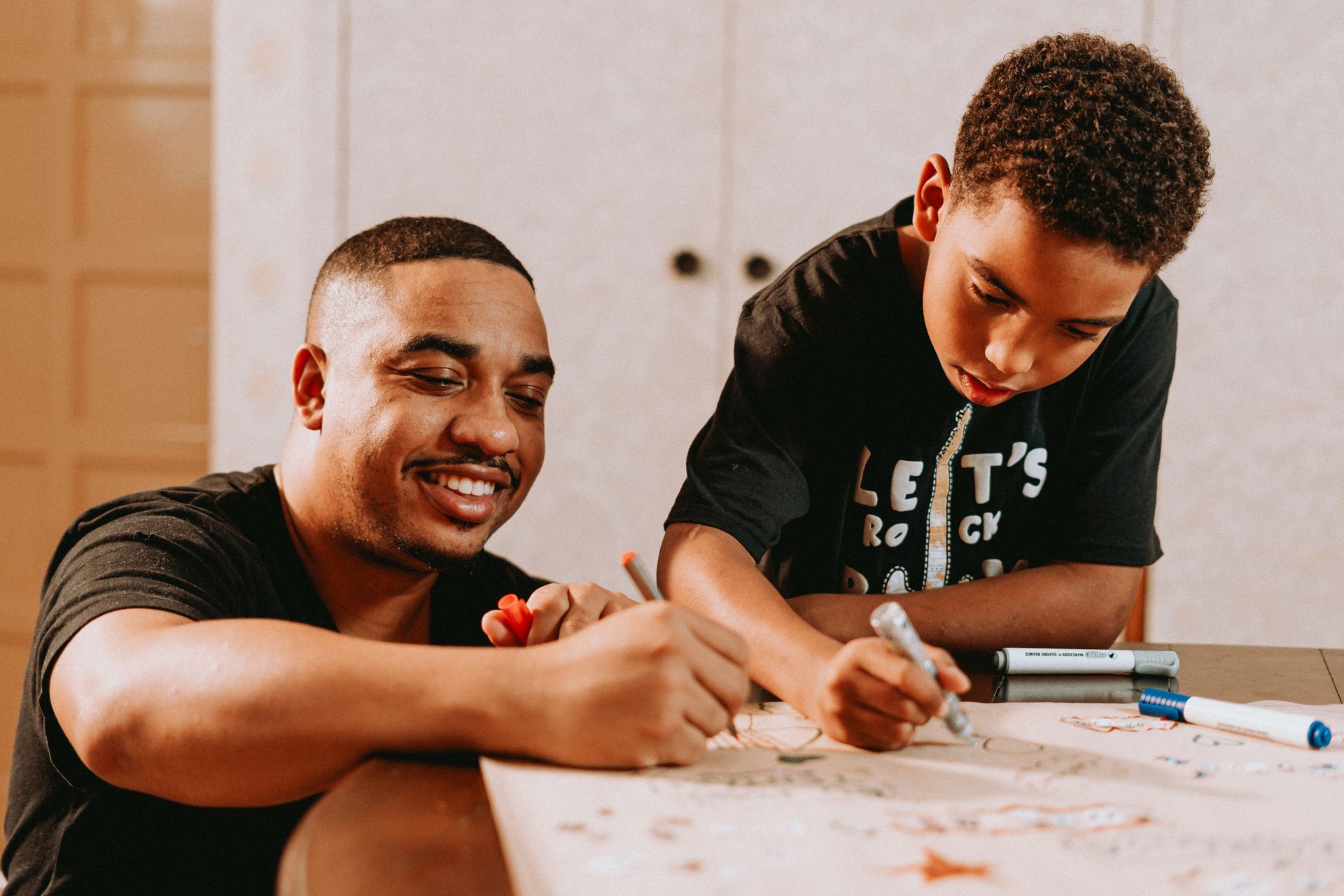 Support Child Emotional Well-Being: A Parent’s Daily Guide
The Urge To Fix Is Love In A Hurry
Picture a seven-year-old who drops their backpack and says, “Nobody played with me today.” A common reply: “Why don’t you ask Sam tomorrow?” It is practical advice, delivered in under five seconds. Unfortunately, the child hears something else entirely. They hear that sadness is not the topic worth discussing — the solution is. Moreover, the feeling stays lodged in the body, unprocessed and unnamed.
Rushing to fix is not a character flaw. Parents fix because it works for scraped knees and spilled milk. Emotions, however, do not respond to logistics. They respond to being witnessed.
One small adjustment changes the whole exchange: wait ten seconds. Let the sentence land. Ask a curious follow-up before offering a strategy. That pause feels endless in the moment, yet it gives your child room to finish their thought instead of absorbing yours.
What Validation Actually Sounds Like
Validation is not agreement, and it is not praise. It is the simple act of confirming that a feeling makes sense given what happened. You do not have to endorse the behavior that followed it, either. Acknowledgment comes first; problem-solving comes later, and only if your child wants it.
- “That sounds really lonely. Tell me more.”
- “You seem furious about how that ended.”
- “I would be frustrated too if that happened to me.”
- “You don’t have to explain it perfectly. I’m listening.”
Children do not need their feelings talked out of them. They need those feelings named, held, and survived alongside someone who stays calm.
Notice what none of those lines do. They never ask why a child is overreacting. They do not compare this moment to a sibling’s behavior. Therefore, the child stays in the conversation instead of sliding into defense mode.
Why Validation Is the First Step To Support Child Emotional Well-Being
Emotional regulation is a learned skill, and it develops through co-regulation. A child borrows your calm nervous system before they can build one of their own. When you name a feeling without flinching, you lend them that steadiness. Over time, they internalize it and start doing the work themselves.
Research on emotional coaching keeps pointing the same way, and current 2026 guidance from child development specialists reinforces it: kids who can label emotions accurately tend to manage them better. Labeling is not a cure. It is a foothold. Still, a foothold is exactly what a child needs when an emotion feels like a cliff edge.
Daily Dialogue That Doesn’t Feel Like an Interrogation
“How was school?” earns one word. Every time. That is not because your child is closed off. It is because the question is too broad and the timing is all wrong. Dialogue is the connective tissue that helps you support child emotional well-being day after day, so it needs to feel small and low-pressure rather than formal.
The Ten-Minute Sideways Window
Kids often open up during low-pressure activities — driving, cooking, shooting hoops, walking the dog. Side by side beats face to face for many children. Consequently, the ten minutes in the car after pickup can be worth more than an hour of direct questioning at the dinner table.
Questions That Open Doors Instead of Closing Them
- What was the best part of your day, and what was the hardest?
- Was there a moment today you felt left out or included?
- If you could redo one thing, what would it be?
- Who made you laugh today, and what happened?
Ask one question. Then stop talking. Silence feels awkward for adults and spacious for children, so let it stretch a little. If your child says “I don’t know,” try a gentler entry point: “Want to hear something weird that happened to me today?” Trading small stories now builds the habit of trading bigger ones later.
Modeling Stress Management Out Loud
Children copy what they observe, not what they are told. Announcing your coping strategy turns a private process into a teachable one. It also normalizes the fact that adults struggle too, which takes some of the shame out of a child’s own hard days.
Narrate the Repair, Not Just the Calm
Nobody models serenity perfectly. That is fine, because the repair is the real lesson. “I snapped earlier because I was overwhelmed. I’m sorry. I’m going to take five minutes outside.” That short speech teaches accountability, self-awareness, and one concrete tool.
- Name the stressor: “Traffic made me tense.”
- Point to the strategy: “I’m going to breathe slowly for a minute.”
- Describe the outcome: “I feel steadier now.”
- Own the mistake: “That was my short fuse, not your fault.”
Similarly, watch what you model about screens, sleep, and self-talk. A household that treats rest as optional will raise a child who treats it the same way. Boundaries around bedtime and devices are emotional health tools, not merely rules to enforce.
Small Daily Habits That Support Child Emotional Well-Being
Grand gestures are not required here. Consistency is. Small, repeatable habits support child emotional well-being far more than occasional big talks, because a predictable rhythm tells a child’s nervous system that the world is safe enough to feel things in.
- One check-in at the same time each day, even if it lasts two minutes.
- A feelings vocabulary on the fridge — words beyond “fine” and “mad.”
- A calm corner with soft items, open to everyone, adults included.
- Rituals around transitions: bedtime, school drop-off, and reunions.
Furthermore, protect unstructured time. Overscheduled weeks leave no room for a child to notice how they feel, let alone describe it. Boredom, oddly enough, is often where the real conversation begins.
When Extra Support Makes Sense
Some struggles outgrow a parent’s toolkit, and that is nobody’s failure. Persistent changes in sleep, appetite, or mood, withdrawal from friends, or any talk of self-harm deserve professional attention quickly. Reaching out is the same protective instinct that sends you to a doctor for a fever that will not break.
Talk to your pediatrician, a school counselor, or a licensed therapist who works with children. Ask what the plan looks like and how you can reinforce it at home. Then keep the dialogue open, because your child needs to know that getting help is normal and that you remain the safe place they return to.
You will not get every response right. Some days you will jump straight to fixing before you remember to listen. That is part of it. Apologize, try again tomorrow, and keep showing up — because the steady presence you offer eventually becomes your child’s own inner voice.