
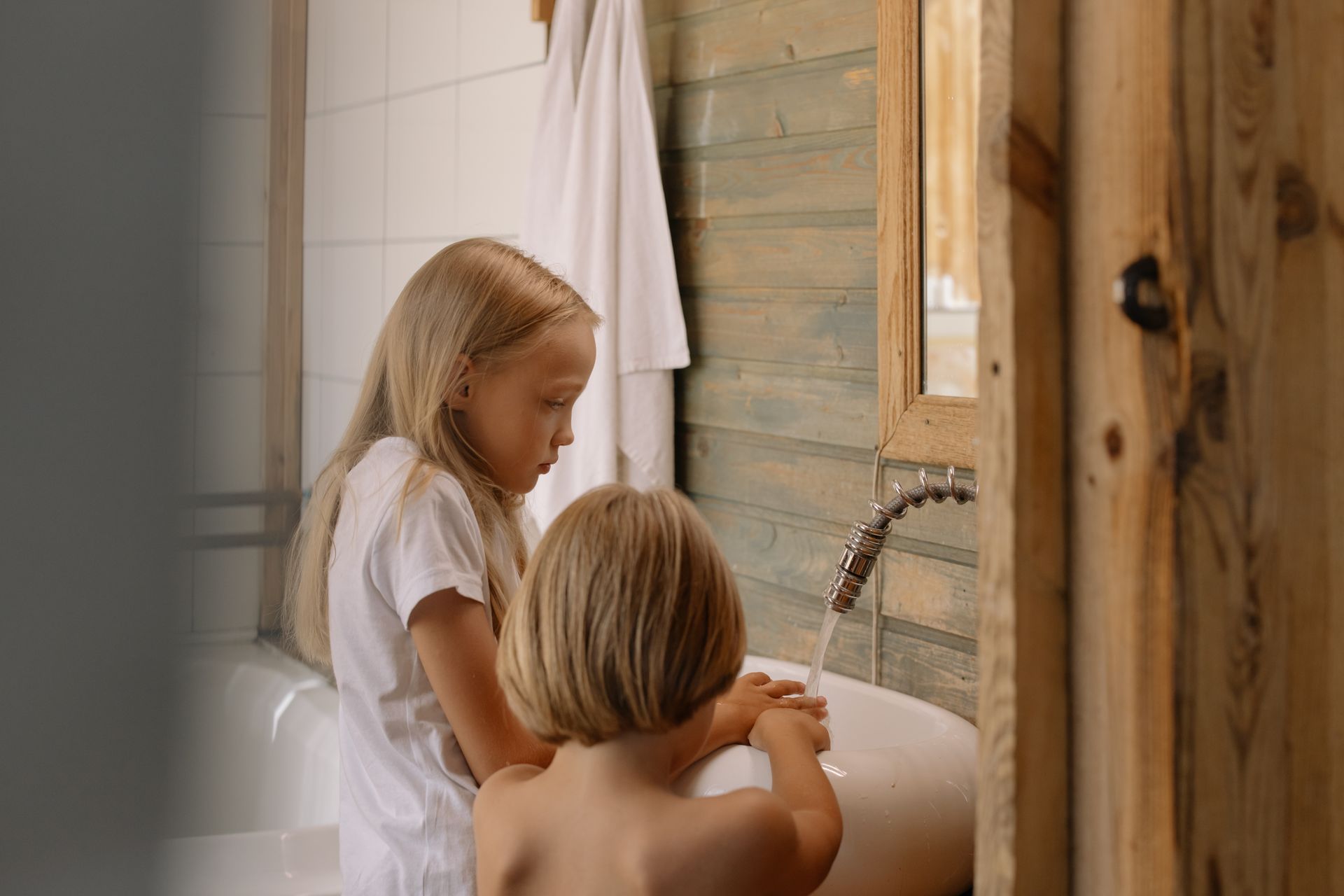
Teaching kids healthy hygiene rarely fails because children are lazy. It fails because adults turn a two-minute task into a twenty-minute lecture. Child development research keeps landing on the same pattern: habits stick when they arrive through play, repetition, and clear expectations instead of fear. Parents who want age-by-age routines can browse the family guides at Momma Bears before building a plan of their own. Meanwhile, the strategies below cover handwashing, toothbrushing, and the awkward middle ground of explaining germs.
Why Small Children Trust Rituals More Than Your Rules
Preschoolers live inside patterns. A child who washes hands before every snack without a reminder has not memorized a rule; they have absorbed a sequence. Therefore, the fastest path to hygiene habits is attaching them to events that already happen — meals, bathroom trips, bedtime stories. Once that sequence feels automatic, nagging becomes optional, and the whole household calms down.
Repetition across months matters more than perfection on one Tuesday. A three-year-old who scrubs for eight seconds today will scrub for twenty seconds next year, provided nobody turns the sink into a battleground. Consistency, moreover, teaches the nervous system that hygiene is simply part of the day.
Teaching Kids Healthy Hygiene Through Playful Repetition
Lectures bounce off small ears. Games, however, land hard and stay there. Pediatric dentists and occupational therapists both lean on one trick: making the boring part invisible by wrapping it in a challenge.
The Glitter Germ Experiment
Sprinkle glitter on dry hands and ask your child to touch a doorknob, then a toy, then your sleeve. Count the sparkles together. Afterward, wash with soap and watch how much glitter resists plain water. This five-minute activity explains germ transfer better than any diagram, and most kids beg to repeat it the next day.
Brushing Teeth Without Tears
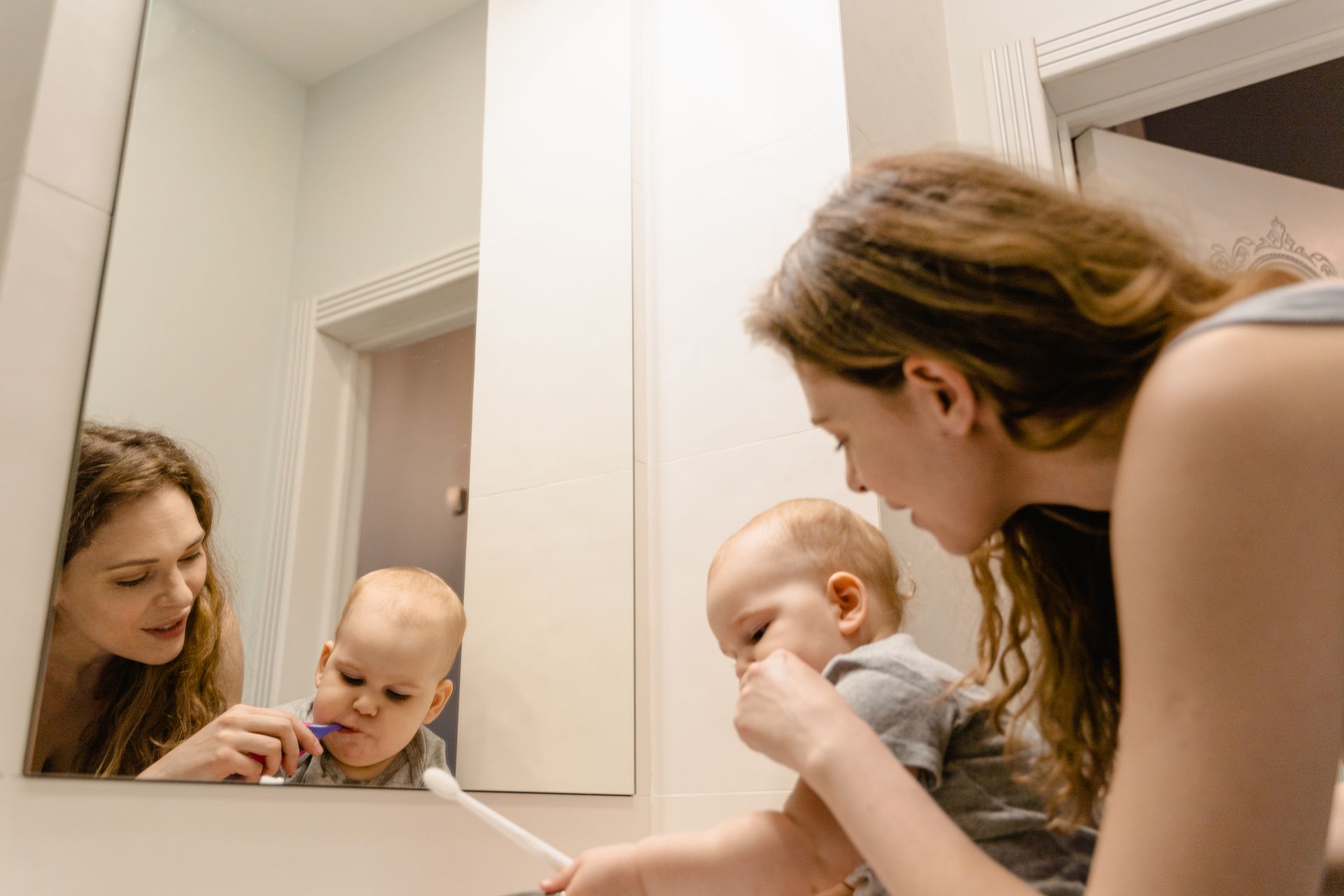
Two minutes feels like forever to a four-year-old. Therefore, hand over a sand timer, an electric brush with a built-in timer, or a playlist of two short songs. Brushing becomes a race against the music instead of a power struggle with a parent.
Novelty helps as well. Let your child pick the brush color, the toothpaste flavor, and which sink they use. Ownership lowers resistance, and the small thrill of choosing keeps the routine alive for weeks.
Setting Clear Expectations for Personal Care Routines
Vague instructions create endless negotiations. Clear ones do not. Say “hands get washed before we eat” rather than “be clean,” because a specific trigger is easier for a young brain to follow.
- Ages 2–3: wash hands with help, brush teeth with an adult finishing the job, bathe two or three times a week.
- Ages 4–5: wash hands alone, spit toothpaste, brush with supervision, dress after bathing.
- Ages 6–8: brush twice daily solo, floss with help, shower daily, cover coughs and sneezes.
- Ages 9–12: full ownership of daily hygiene, plus deodorant and nail care as puberty nears.
A chart taped to the bathroom mirror removes the daily argument, because the chart becomes the authority instead of you. Moreover, kids often enjoy ticking boxes more than pleasing adults.
Natural Consequences Beat Lectures
If teeth go unbrushed, the dentist eventually delivers the news. If hands stay dirty, a stomachache may follow. Allowing small, safe consequences teaches cause and effect better than a raised voice, though parents should always step in when health is truly at risk.
Explaining Germs Without Scaring Anyone
Fear-based explanations backfire. A child who believes germs are monsters may develop anxious handwashing or refuse to touch playground equipment. However, a child who understands germs as tiny living things that need food and warmth feels informed rather than threatened.
Germs are so small that a microscope is needed to spot them. Soap breaks them apart and water carries them away. That is the entire trick, and your child can help pull it off.
Analogies work well at this age. Compare soap to a slippery slide that germs cannot grip, or describe a sneeze as a tiny germ rocket that travels several feet. Keep your tone curious and calm, and answer questions honestly, even the gross ones.
Teaching Kids Healthy Hygiene When Resistance Shows Up
Some children fight the toothbrush because of sensory issues rather than defiance. Bristle texture, minty paste, and cold water can all feel overwhelming. Try a soft brush, a milder flavor, and warm water before assuming your child is simply stubborn.
Reward systems help in the short term. Sticker charts, a marble jar, or an extra bedtime story can carry a habit through its first rocky month. Once the routine runs on autopilot, however, fade the rewards so brushing and washing stand on their own.
For families navigating autism, ADHD, or anxiety, an occupational therapist can offer tailored tools. Weighted brushes, visual schedules, and step-by-step cards turn an overwhelming task into a manageable list.
A Sample Daily Rhythm That Works
- Wake up: bathroom, face rinse, teeth brushed before or right after breakfast.
- Before every meal and snack: hands washed with soap for twenty seconds.
- After outdoor play or pet cuddles: hands washed again, no exceptions.
- After school or daycare: bag emptied, hands washed, clothes changed.
- Bath or shower at a fixed time, with hair washing on set days.
- Bedtime: teeth brushed, face washed, pajamas on, story read.
Rhythms like this remove decision fatigue, and that is a quiet advantage when teaching kids healthy hygiene. Consequently, children stop asking whether tonight is a bath night and start moving through the steps on their own.
What Parents Can Realistically Expect
Progress arrives in waves. A child might brush beautifully for three weeks, then refuse for five days during a growth spurt or a new sibling’s arrival. Regressions are normal, and they rarely erase the habit sitting underneath.
- Model the behavior yourself, since children copy what they see far more than what they hear.
- Keep supplies within reach so independence is physically possible.
- Praise effort specifically — “you scrubbed every tooth” beats “good job.”
- Review the routine each season, because a six-year-old needs different reminders than a three-year-old.
- Ask the pediatrician or dentist for backup when a problem lingers.
Teaching kids healthy hygiene is a long game measured in months, not mornings. Patience, play, and clear expectations carry more weight than any lecture ever will. Start with a single routine this week, and let the rest of the habits build from there.